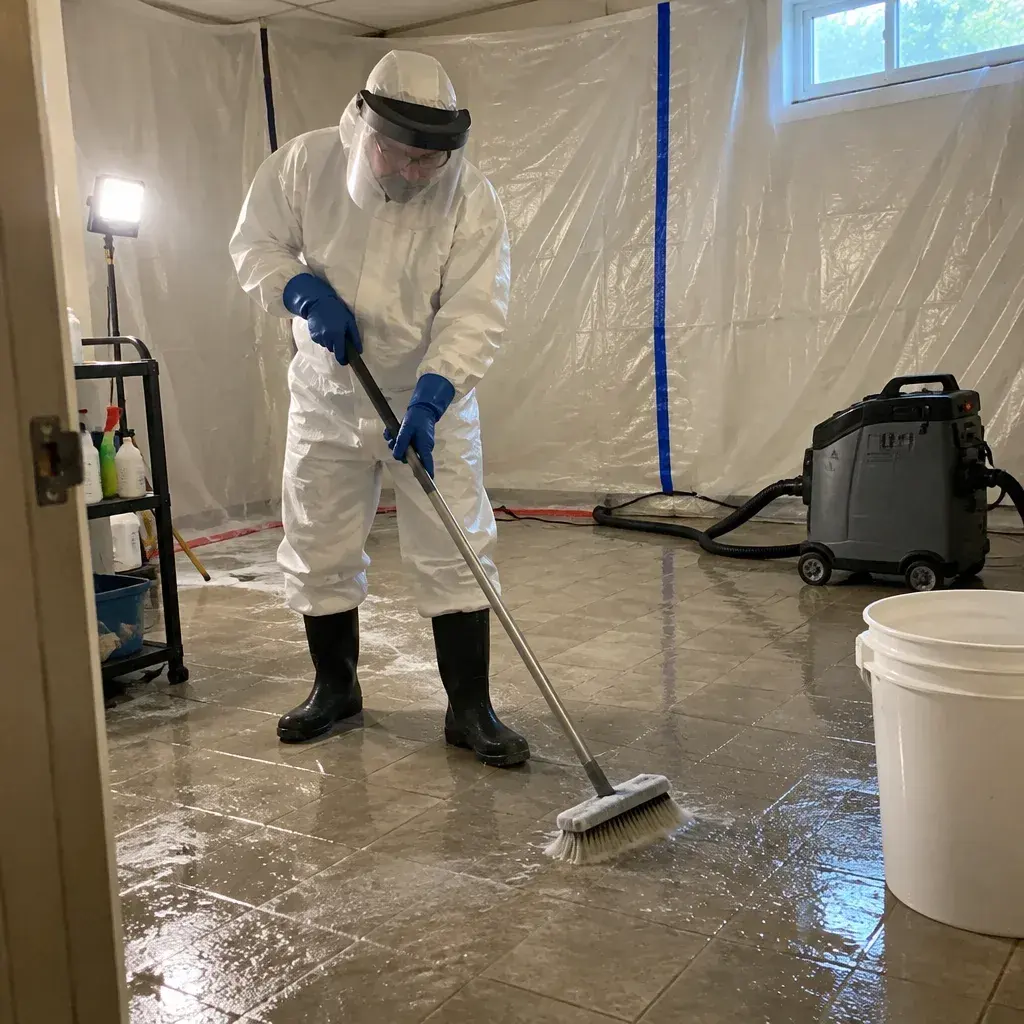
DIY or Professional Cleanup
Learn how visible spread, hidden areas, and absorbent materials affect the choice between DIY sewage cleanup and hiring a professional.
Read article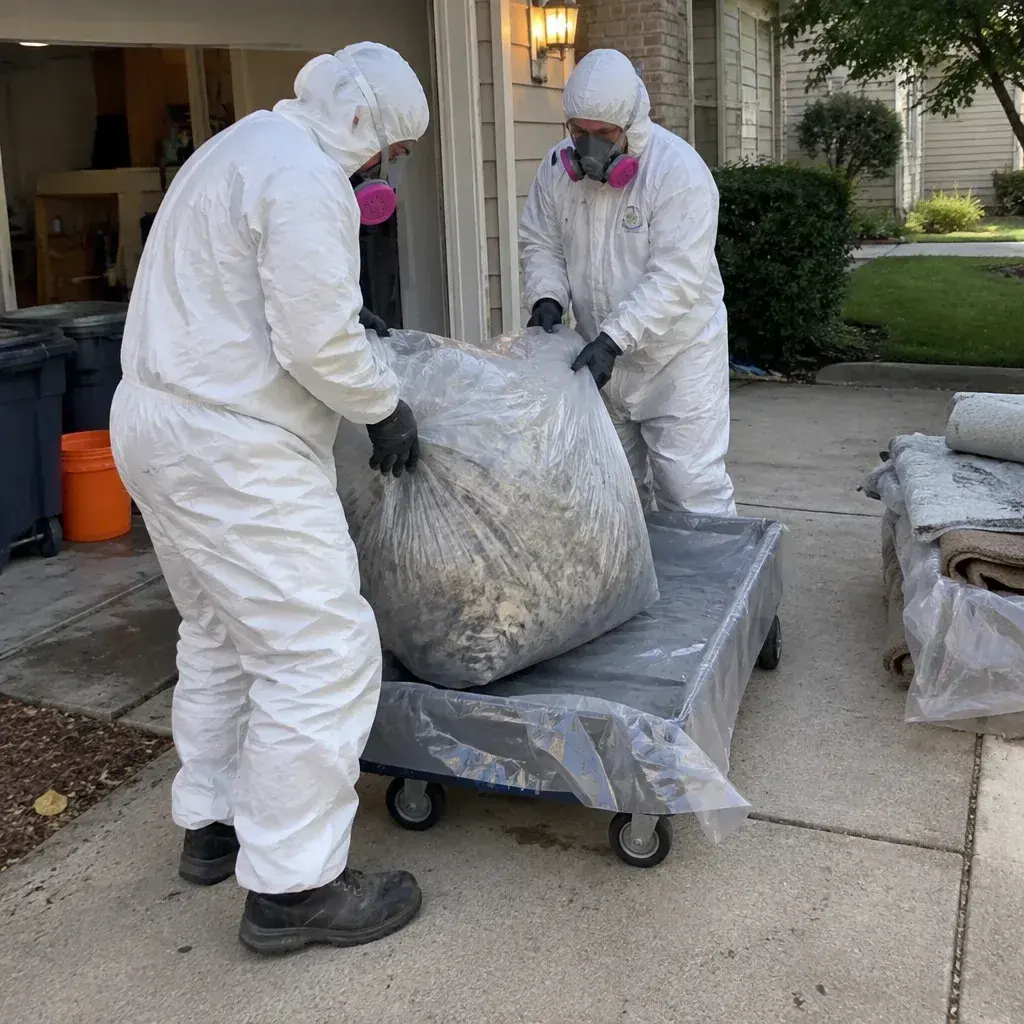
Check the boundary, separate clean spaces, and plan controlled entry before cleanup begins.
Start by tracing where sewage reached and which clean rooms share a doorway, hall, or stair with the affected area. Water and debris can travel on shoes, tools, and carried items, so the visible damage may not show every route that needs attention. Sewage containment uses barriers and controlled access to keep the affected zone apart from clean parts of the structure. The licensed pros we connect you with can plan how contaminated materials will be contained during removal.
Before work begins, the provider should trace the affected edge and note doorways, stairs, and openings that connect it to other rooms. The setup may need adjustment if inspection shows that the boundary reaches a shared hall or another floor. Access also affects how workers bring equipment in and move it out without crossing spaces that are still in use; limited entry can add handling time. Ask how those conditions shape the work area and schedule. Stored belongings may need to be moved so exposed surfaces can be cleaned.
For Kankakee IL, Mount Prospect IL and Naperville IL, a page identifies a listed service location, not a property's sewer connection. Sewage Containment addresses contaminated interiors, with cleanup steps shaped by what the assessment finds.
Review Sewer Backup Cleanup for cleanup in a home you own; use commercial sewer backup cleanup for a workplace or rental building you manage.
Look for signs that activity reached beyond the room where sewage appeared: residue on a threshold, marks along a shared passage, or contact on a route used to carry supplies. These clues can change which openings need barriers and where the crew should enter. Avoid walking the route to inspect it yourself. Tell the provider what you observed and ask how the boundary will account for those connected areas before cleanup begins.
A doorway used by residents to reach a kitchen, bathroom, or laundry room can complicate separation between work and daily activity. Note which rooms depend on that passage and tell the provider before workers set their access plan. They can choose a controlled entrance and explain how residents should move around the work area. Sewage cleanup safety depends on keeping household traffic, pets, tools, and supplies from using the same uncontrolled path.
Watch for a barrier that pulls away from a surface, falls, or leaves an opening where one had been covered. That change can make the planned boundary unreliable as workers pass through. Keep clear of the area and contact the provider so the setup can be checked and adjusted. The crew should reassess the affected edge if new contact points appear, since containment must follow the area being treated.
The provider surveys connected rooms, openings, and likely contact paths to determine which parts of the property belong inside the controlled work area.
Barriers separate the selected work zone from cleaner spaces, while a designated entrance gives workers and equipment a planned way in and out.
Workers bring tools and supplies through the assigned access route, reducing unnecessary passage across household areas as cleanup proceeds.
The crew checks the boundary during the job and changes the setup if assessment identifies additional affected space, before cleaning and drying continue.
A home may connect a basement, hallway, and utility room through narrow doors or shared stairs. Without a planned route, people carrying equipment or supplies can pass through spaces the household is trying to keep clear. A defined work area gives the crew a place to control entry and handle cleanup in sequence. Keep people and pets away until the provider says cleanup and assessment are complete.
Sewage containment is a work-area decision, not a fixed room size. The provider should account for connected openings and the surfaces that need cleaning and disinfection, then keep movement through the home within a defined route. That boundary can change as the affected extent becomes clearer, so ask what would prompt a revised setup. Once cleaning and disinfection are complete, drying affected structural materials helps limit lingering moisture before repairs or normal use can resume.
Before barriers go up, a crew should trace connected spaces and choose an entry path that avoids clean rooms. It can define a controlled zone, limit who crosses it, and manage equipment and debris at the edge; each opening kept in use becomes a route to monitor. The licensed pros we connect you with can document what needs separate handling as work moves through the affected area. Containment governs indoor work; ongoing sewer-line trouble calls for a plumber to address the cause.
the United States Sewage Containment figures are for planning. Before scheduling, have the pros we connect you with explain any assessment charge and document which cleanup work is included.
| Impact, cleanup, cost | Site, Cleanup, Cost Drivers | Damage, Scope, Cost |
|---|---|---|
| Focused cleanup | Defined work area with cleanup needs based on observed conditions | an estimated $3,500–$6,500 |
| Room-level cleanup | Recorded tasks may include removing affected materials, cleaning, disinfecting, treating odors, and drying | an estimated $4,025–$8,450 |
| Substantial cleanup | Recorded assessment updates bring verified affected areas into the cleanup plan | an estimated $3,500–$6,500 |
| Major remediation | Cleanup addresses indoor sewage impact; a plumber traces the backup source | an estimated $8,400–$26,000 |
An estimate may divide the work among sewage extraction, disposal of absorbent materials, and treatment of surfaces that can remain. Ask whether odor control and drying are included, and keep any upgrade to longer-lasting replacement materials in the rebuilding budget. A written breakdown can make each cleanup task easier to review.
The crew can inspect connected rooms and likely contact paths, then place barriers at openings that separate the work zone from cleaner areas. They should also identify a controlled route for workers and equipment. That setup limits unnecessary movement through the home while sewage is handled. Ask the provider how they will check the boundary as work continues and what would prompt them to change it.
The boundary should reflect the evidence of contact and the spaces linked by people’s movement, not only the first visible location. A provider can assess nearby openings, surfaces, and access paths before deciding where to place barriers. If that review finds more affected space, the work zone may need to expand. Avoid crossing suspected areas while the provider makes that assessment.
Have the provider set a clear route for entering and leaving the work area, and follow it while cleanup is underway. That keeps movement through the home predictable and gives workers a path for equipment that does not pass through unrelated rooms. Tell household members which doors or stairs are part of that route before work starts. Sewage cleanup safety also means keeping pets away from the work zone until the provider says it is ready for normal use.
The provider should inspect beyond the visibly wet spot, checking connected openings and nearby surfaces before settling on a boundary. If the assessment finds signs that the affected area extends into another room, the containment plan may need to include that space. Ask what observations would lead to an expanded work area and how access will be managed if that happens. This helps you understand where the cleanup will take place before the work proceeds.
Containment keeps the cleanup area apart from spaces that are not affected and gives workers a managed way to move people and equipment. After the affected area has been assessed, cleanup can proceed with sewage removal, material handling, surface disinfection, odor treatment, and structural drying as conditions require. The boundary may need to include connected spaces if inspection finds that they were affected. Ask the provider how the planned work area relates to the rest of your home.
Ask the crew to identify the affected boundary, the clean spaces beside it, and every doorway or hall people must use. Barriers can mark the work zone, while controlled entry keeps household traffic and equipment from crossing freely. Keep people and pets out during cleanup. If sewage continues entering, containment cannot control its source; arrange plumbing help for the sewer-line problem.
Use $3,500–$6,500 for this work as the cleanup estimate for sewage containment. Keep a record of affected materials to track which items the cleanup estimate covers.
Explore guides to sewage hazards, cleanup steps, and drying methods to better understand a sewer backup.
Learn how visible spread, hidden areas, and absorbent materials affect the choice between DIY sewage cleanup and hiring a professional.
Read article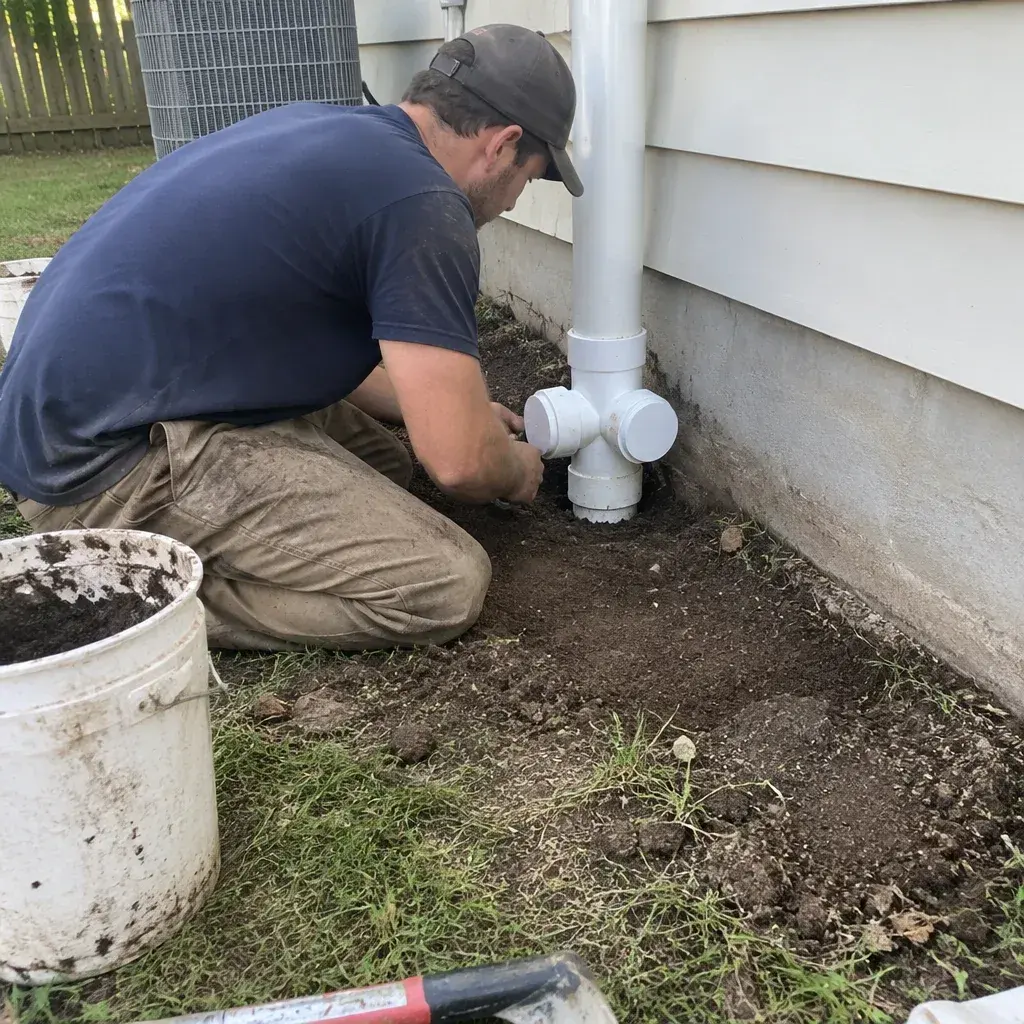
When can you use an area again after sewage cleanup? Equipment being gone is not, by itself, a clear signal to return.
Read article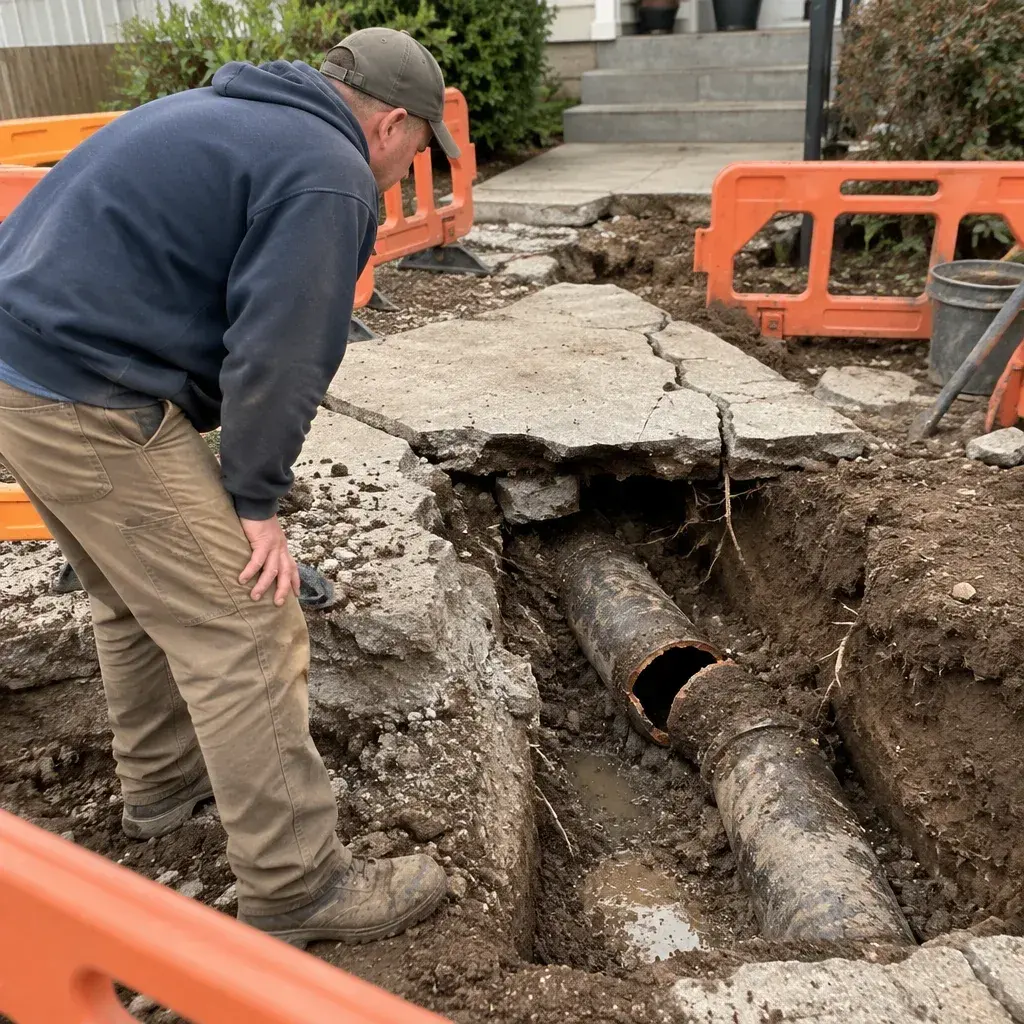
A clear cleanup record can show what was affected, what work took place, and what still needs attention.
Read articleWhen checking service near you, begin with the property address and a short account of where sewage surfaced and what it touched. Keep everyone, including pets, out of those rooms while the situation is assessed. Note whether the backup is still active, since that can affect what the assessment needs to cover. Find out how sewage will be extracted, which materials may be taken out, how remaining surfaces will be treated, and what drying involves. Clarify visit charges and request the proposed work in writing.
Call (877) 386-0069