Cleanup availability and timing vary — call to confirm. · (877) 386-0069
Storm Sewer Backup Cleanup in the United States
Storm intrusion

Cleaning Up After Rain Driven Sewer Backups

Storm-related backups can follow intense rain whenever it overwhelms connected drainage routes. Seasonal patterns differ across the country, so record when the storm and indoor water occurred; timing can help investigations, but it cannot show which materials absorbed sewage.

SEWER BACKUP CLEANUP

After storm-driven sewage enters a building, an assessment maps affected rooms and materials. Cleanup separates contaminated contents, treats suitable surfaces, and dries affected areas. Keep out of suspected contamination, document damage when safe, and have the responsible sewer or drainage party investigate the source.

SEWAGE EXPOSURE

Common Warning Signs of Sewer Trouble

After an indoor sewage incident, you may be checking building materials before the full cleanup area is clear.

Cloudy water burps from a basement floor drain during rain.

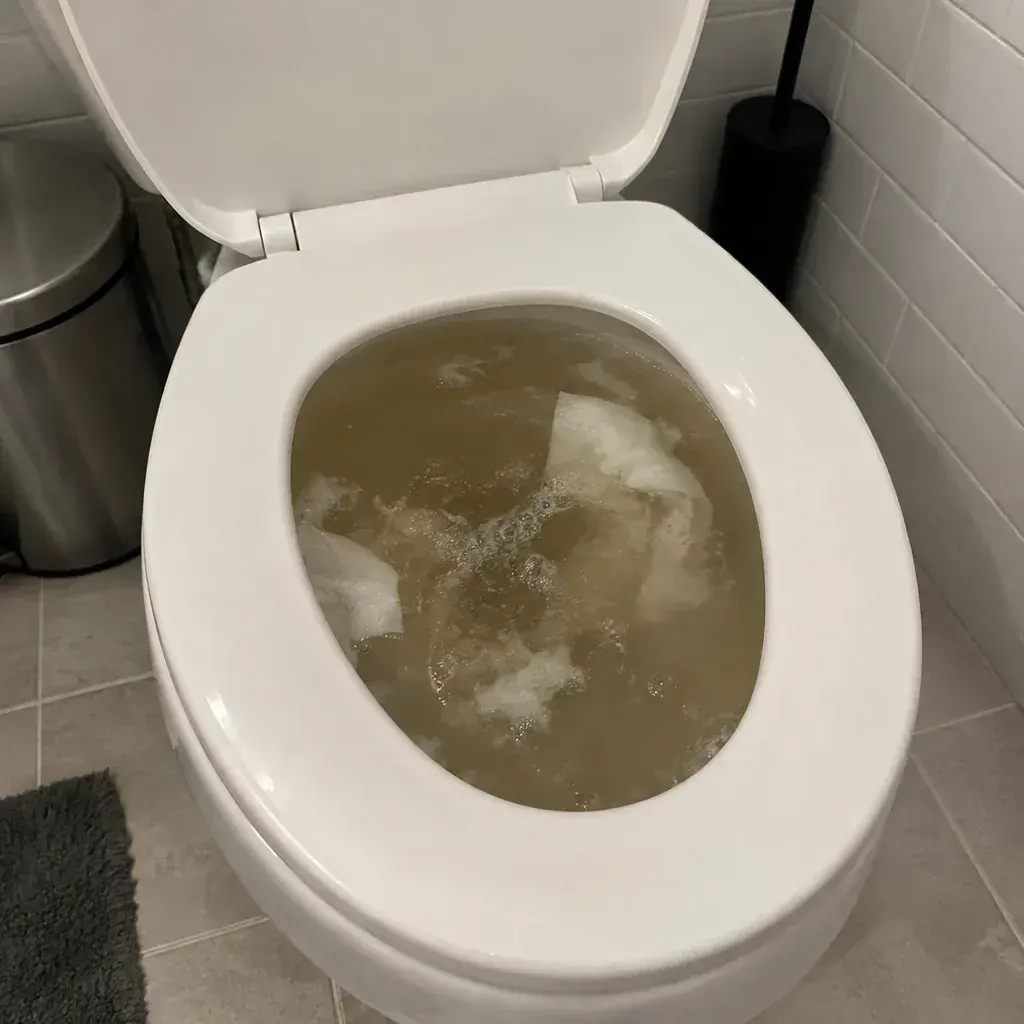
Wastewater rising from a low drain after intense rain is a strong reason to treat the room as sewage affected. Water that returns after it recedes can indicate the backup is still active. Note the time and visible level from a safe, dry place so an assessment can include the entry point.

Fine grit settles on the lowest stair as water recedes.

A tide mark or trapped debris can trace the edge of water before it drained away. That boundary is only a starting clue: water may have spread under nearby flooring or into adjoining spaces. Nearby materials may show dampness or discoloration beyond the visible edge.

A toilet bowl ripples while nearby fixtures stay still.

If a sewage odor returns as rainwater recedes, the affected boundary may extend beyond the wettest visible patch. Smell cannot map the contamination or confirm its source. Have an assessor check nearby materials and enclosed edges before the space returns to routine use.

Dark flecks collect around a utility sink drain.

A drain that gurgles or bubbles can be another sign of a backup. Smell cannot establish how far contamination traveled. Keep the space unused and let an assessment check surfaces and materials instead of searching by handling belongings.

Water staining appears behind boxes along a baseboard.

A damp or discolored strip near the floor may show that water reached a wall edge, even if the room has dried on top. It does not reveal what is behind the surface. Mark its location from a clean area and include nearby rooms in the assessment.

How Sewer Backups Affect Your Home

Heavy rain can overwhelm connected sewer and drainage systems and push wastewater into lower areas of a property. Whether it reaches a basement, utility room, or another low area depends on the route water takes at that property.

Dedicated pages are available in Alabama, Arizona, Arkansas, California, Colorado, Connecticut, Delaware, and Florida. Elsewhere, the shared referral network connects you with pros where available. Storm exposure and sewer arrangements vary by property, so an assessment must reflect the rooms actually affected.

Location pages show where this site provides local information, while requests from other parts of the country move through the same referral. For a sewer backup, that connection concerns cleanup of interior contamination; a plumber may still be needed to find or fix the sewer-line cause.

Sewer Cleanup Overview

Access
An assessment sorts exposed materials by whether they need removal, cleaning, or drying.
Reach
Water marks and debris can help map where wastewater reached before it receded.
Materials
Disinfectant labels specify product contact time and handling directions for use on cleaned surfaces.
Moisture
Photographs from a dry location can preserve visible boundaries before cleanup begins.
Coordination
Cleanup handles contamination inside the structure; the source investigation is separate work.
CLEANUP
Storm-related backups can follow intense rain whenever it overwhelms connected drainage routes. Seasonal patterns differ across the country, so record when the storm and indoor water occurred; timing can help investigations, but it cannot show which materials absorbed sewage.
COST FACTORS
an estimated $2,700–$6,800

Other Types of Water Damage

Surface flooding. Rainwater entering from outdoors can leave wet floors and debris, much like a sewer backup. The distinction matters because suspected sewage calls for a contamination assessment, while appearance alone cannot identify what the water contains. Use the point where water first appeared as a clue: rainwater may cross an exterior opening, while sewage may rise at an indoor drain. A route alone cannot confirm what the water contains, so the assessment checks the affected materials as well.

Understanding Sewer Backup Cleanup Work

The pros we connect you with first restrict access to affected rooms and assess the water’s reach. They compare visible boundaries with connected spaces, sort materials for removal, cleaning, or drying, and extract standing wastewater. This mapping helps keep contaminated debris from being carried into clean parts of the building.

The assessment follows the visible wet edge into adjoining rooms and checks floor coverings, wall bases, and contents separately. That room-by-room record guides decisions about treatment and drying locations. It also explains why materials close together may need different handling after the same storm intrusion.

First confirm the backup has ended; returning wastewater puts the affected area back in play. If sewage is limited to surfaces that can be cleaned and dried promptly, one visit may finish the work. Wider contamination, material removal, or continued structural drying calls for planned follow-up. Sewer-line diagnosis is plumbing work.

IMMEDIATE CLEANUP AND FOLLOW-UP SERVICE OPTIONS
Cleanup Services What to Do Next
An early, contained sewer backupSewer backup cleanup
Repeated sewage backup in the same areaAs needed
Contamination across multiple surfaces and materialsRemove contaminated materials, disinfect surfaces, and dry

Cleanup Tasks You Can Safely Handle

If water is near electrical equipment, stay clear and do not touch it. From a dry area, you can photograph visible marks and note when the rain and backup occurred. Avoid using drains in the affected area; leave sewage removal, material decisions, and cleanup to the pros you connect with.

Health Risks from Sewage Exposure

Treat suspected wastewater as contaminated even when rain has diluted its appearance; color and odor cannot establish that it is safe. Entry can transfer residue on shoes or tools into unaffected rooms. Close the route to household traffic, leave wet contents alone, and wait for an assessment to set safe handling and cleanup boundaries.

What Can Affect Sewer Cleanup Costs?

List visible damage and damp areas when requesting a quote; material condition can change whether cleanup involves disposal, surface treatment, or structural drying.Use $7,000–$14,000 as a planning reference for work inside the structure after affected areas are assessed. It addresses cleanup tasks; correcting the sewer problem that sent sewage indoors falls under plumbing. Ask the pros we connect you with whether a visit has a separate charge, and have them set out the exact cleanup work they propose.See the full Sewer Backup Cleanup price ranges and what can affect your total cost.
HELPFUL INFORMATION

Other Sewer Backup Cleanup Considerations

What People Ask

Your Questions, Answered

What happens first after heavy rain pushes sewage indoors?

Rain-driven surcharging can push wastewater through floor drains or low fixtures, leaving residue beyond the visible pool. Do not enter to trace its route. When access is safe, photograph the boundary and note which rooms or contents were reached; then arrange an assessment. The assessor distinguishes materials for removal, cleaning, or drying, while the responsible sewer or drainage party examines why the system backed up.

How do cleanup pros determine which rooms were affected?

An assessment follows the water’s path beyond the spot where it first appeared. The pros we connect you with check connected rooms, visible water marks, and materials that may have absorbed sewage, then record which areas need removal, cleaning, or drying. A damp smell or a softened surface can help identify materials that need closer attention.

Does every sewage-exposed surface require the same cleanup?

The decision depends on what the wastewater touched and how deeply it entered the material. How long an item stayed wet is another part of the assessment. An assessment sorts materials by condition and exposure, rather than treating every item in a wet room the same way.

Can indoor cleanup begin while the storm backup source is investigated?

Yes. You can arrange an indoor assessment while the responsible sewer or drainage party checks what overloaded or blocked the route. The licensed pros we connect you with assess indoor damage while the responsible party checks the sewer route. The assessor maps affected rooms, distinguishes absorbent materials from cleanable surfaces, and plans containment, removal, disinfection, and drying. Cleanup addresses indoor contamination; it does not identify or fix the sewer-line cause. Drying follows removal and disinfection in the planned indoor cleanup.

Find Cleanup Help

Want someone to assess what was affected?

Note visible staining or residue from a safe distance so the assessor can include it in the review. Keep people and pets outside the contaminated space. Ask for the assessor’s observations and proposed cleanup in writing, including any material removal, surface treatment, and structural drying.

Call (877) 386-0069
Check appointment openings, arrival timing, visit fees, and the written work plan.
Call (877) 386-0069 Schedule Online