Sewer Backup Warning Signs in the United States
Check the floor first: wastewater pooling indoors marks a place for evaluation, but its visible edge may not show how far it traveled. Next look at carpet, padding, stored fabric, or other absorbent contents; material that took in sewage may be unsuitable to clean in place. A smell that stays after the area appears dry can point to residue needing attention. Then note damp flooring or lower walls. These clues help plan cleanup, but they do not tell you what caused the backup.
A backup often becomes clear through what you see first: sewage at a drain, wet flooring, or damaged belongings. Start there. Odor or changes in a room can also help identify areas that need assessment. If the cause needs investigation or repair, a plumber may be needed.
Read the signs in sequence: note where sewage is visible, then list absorbent contents and building materials that remain damp. Note which fixtures backed up and whether more than one drain showed the same problem. A lingering smell is another condition to report; by itself, it does not locate the source of the backup. Record whether water has stopped entering the area or is still spreading beyond what you first saw. This gives the cleanup decision a clear record of what changed across the structure.
Signs needing prompt cleanup
Move quickly if sewage continues to travel, someone may enter the area, or waterlogged building materials have not been assessed.
| What Stood Out | Possible explanation | When to Arrange Cleanup | Explore Cleanup Steps |
|---|---|---|---|
| Sewage Visible Indoors Look for a wet, irregular patch or shallow accumulation on an indoor floor, with edges that feather into a thin film or gather around debris. Its color may be tan, gray, brown, or dark. Nearby surfaces can show a dull smear; the wet area may appear slick or feel gritty if touched. | Visible sewage means wastewater has escaped its normal path, and the cause may still be active. Keep people and pets out of the affected area, and avoid touching the liquid or tracking it through the home. Don’t run water into drains that may be backing up. The pros we connect you with can assess the affected space and determine what cleanup steps are needed. | If left in place for hours or days, liquid can wick into floor coverings, trim, or other absorbent materials, carrying contamination beyond the visible edge. That can increase what needs removal and extend cleaning and drying. | Ask on the call |
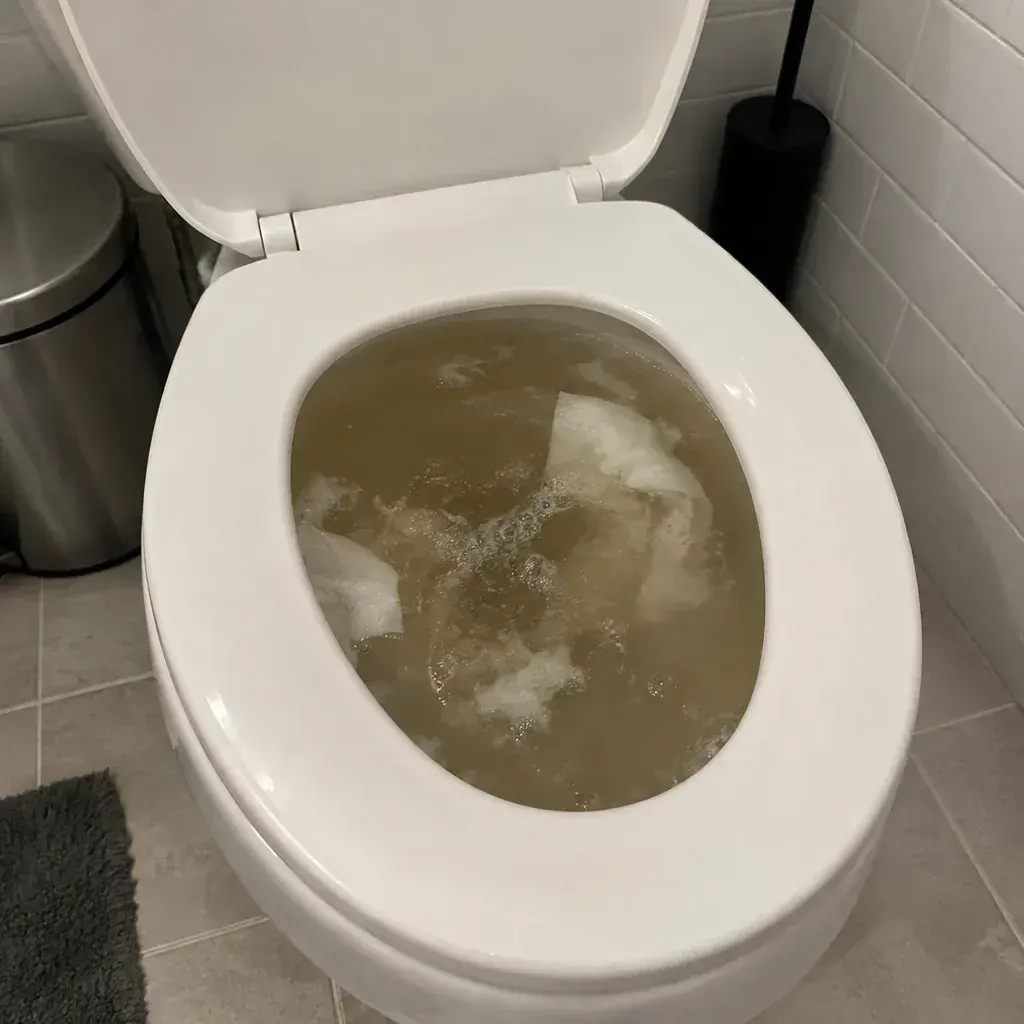
| Wastewater Backing Up From Drains Look for opaque gray, tan, or brown liquid at a shower drain, tub, toilet, or another floor opening. It may dome, ripple, or spread into an uneven shallow sheet, sometimes with small visible particles. A wet shine can mark nearby flooring. The surface may look slick and watery, with no fixed boundary. | Check whether wastewater is still rising and which indoor drain it reaches; either is a sign to treat the space as sewage-contaminated. Keep people and pets clear, then arrange cleanup for the interior. The pros we connect you with handle contamination indoors, while a plumber investigates the obstruction. Dedicated location pages identify their places; elsewhere, the same referral connects you to pros. | Liquid can work into seams, trim, and absorbent flooring over hours, carrying contamination beyond the visible pool. If left in place, residue may remain on affected surfaces even after the wet area looks smaller, and materials may need removal before cleaning and structural drying. | Ask on the call |
| Multiple Fixtures Backing Up At separate openings, liquid can stand high in a toilet, rise in a sink or tub, or spill onto adjacent floor. It may be cloudy, carry visible waste, or leave a damp edge after it recedes. The amount and appearance can differ from one fixture to another. | Check affected fixtures first, then note whether they back up together. Wastewater at separate outlets can point to a shared drain problem and raises concern that contamination extends beyond one room. Gurgling sounds from nearby drains can offer another clue that wastewater is moving poorly through connected plumbing. | If wastewater keeps returning, each release can extend wetting from fixtures onto floors and nearby materials; absorbent items can take in contamination. That spread can happen during continued discharge or another backup, so affected rooms need assessment and cleanup promptly. | Multi-Room Sewage Backup Cleanup |
| Discolored Wastewater Indoors Indoors, the liquid may appear tan, rusty brown, gray, or murky enough to hide the floor beneath it. It can form a thin wash, a rounded pool, or uneven edges around a low point. A darker damp outline may remain on nearby flooring as the visible water recedes. | Brown or cloudy wastewater indoors tells you to treat the affected area as sewage contamination, but appearance alone cannot show where the obstruction is or who is responsible. Avoid contact and keep others clear. A blockage can come from a clogged drain, a damaged pipe, or a problem in the sewer line. | Sewage can carry harmful germs, and moisture can work into porous flooring, trim, or wallboard. People and pets can spread contamination to clean areas by walking through the wastewater. | Ask on the call |
| Sewage Solids or Sludge on Surfaces The residue may sit in irregular smears, fine gritty flecks, or lumpy deposits along a floor edge or across a lower wall. Its color can range from pale tan to gray or brown. It may look matte when dry, glossy when wet, and feel grainy, sticky, or soft. | Waste solids or sludge on an indoor surface indicate that sewage contamination has reached that spot. The deposit cannot show how far contamination traveled or which materials absorbed it. Avoid handling it and arrange an assessment to identify surfaces for cleaning and disinfection, and materials that may need removal before drying. | Foot traffic can carry particles beyond the marked spot, while drying residue may cling to finishes. Porous materials can retain contamination. Arrange an assessment promptly, before ordinary movement spreads debris or damp materials remain wet for longer. | Ask on the call |
| Sewage Odor After Water Recedes A person may also notice irritation in the eyes, nose, or throat, along with headache, nausea, or dizziness; these effects can point to exposure even when there is no visible stain or other mark on nearby surfaces. It may be faint in one part of a room and stronger in another. Unlike a stain, it has no fixed outline, color, or texture to touch. | A sewage smell after visible water is gone can mean cleanup has not addressed the odor source. Porous materials can hold contaminated water and continue to smell. Odor treatment follows sewage and contaminated-material removal and cleaning of affected surfaces; smell alone cannot show whether those steps are complete. Ask what odor treatment remains. | If sewage residue or damp material stays in place, the odor can persist over the following days, while moisture remains in affected building materials. Assessment helps identify what needs attention; avoid entering affected areas during cleanup. | Ask on the call |
| Sewage Returning After an Initial Backup The returning wastewater may form a new shallow pool, a narrow run, or scattered wet patches on the floor. Its color can range from cloudy gray to brown or nearly black, with visible bits of debris. After the liquid recedes, it may leave a slick sheen, a dark tide line, or damp edges on nearby materials. | Sewage returning indoors can leave building materials wet again, so drying from the first cleanup may not address moisture from the later entry. Keep people and pets away, and document new damage with photos and notes for a possible claim. Avoid direct contact with sewage because it may contain harmful germs. | While sewage remains or affected materials stay damp, contamination can persist and absorbent building materials may need removal. Further delay also postpones cleaning, disinfection, and drying, leaving the structure wet until those steps are completed. | Ask on the call |
Signs worth arranging an assessment for
A backup may show up as slow drains, bubbling fixtures, or wastewater coming through a floor drain.
| What Stood Out | Possible explanation | When to Arrange Cleanup | Explore Cleanup Steps |
|---|---|---|---|
| Sewage Odor Indoors Sewage odor has no outline, color, wall edge, or texture to inspect. You notice it in the air as a sharp, sour, or fecal smell; it may be faint near a doorway and stronger in a closed room or lower level. Touching a surface cannot reveal the odor itself. | Treat a sewage smell that keeps returning indoors as a reason to check for a backup, even if you cannot see where it began. The odor does not map the contamination: an assessment determines which surfaces and materials are affected. Sewage can carry germs even when affected materials look clean. | A smell that continues after the air changes can point to residue in absorbent flooring or furnishings. Leaving contaminated materials in place can prolong the odor and keep people or pets exposed to harmful germs over the following days; assessment identifies what needs cleaning or removal. | Ask on the call |
| Stains After a Sewage Backup Look for an irregular patch or streak in brown, gray, or yellowish tones, often close to the floor or following a baseboard line. Edges may fade or appear sharp, and small dots can sit beyond the main mark. The surface may feel dry, tacky, or soft; do not touch it to check. | Note the stain’s shape and whether it follows a floor edge. Brown, gray, or yellow marks can show where sewage reached visible finishes, but not how far moisture moved beneath them. Photograph the area and track changes; have the pros we connect you with review affected finishes and advise on drying. | The licensed pros we connect you with can assess affected finishes and guide drying of the area. Over the days after a backup, unresolved moisture may persist beneath trim or flooring, so the area needs assessment and drying. | Ask on the call |
| Wet Materials After a Sewage Backup Look for a darker patch or damp sheen on lower wallboard, along baseboards, or around trim. The outline may be uneven, with paint that looks bubbled or lifted and wood trim that appears swollen or bowed. A surface may feel cool, soft, or slightly spongy under light contact. | Check the damp area from the floor upward, including baseboards, wallboard edges, and nearby trim. Wet building materials may have contacted sewage even when no water remains visible. Note where the dampness begins and ends, then share that with a cleanup professional. Porous material may need removal; affected surfaces are cleaned and disinfected before drying. | Moisture can remain within wallboard or trim after the exposed surface seems dry. Over the next hours and days, damp areas may take longer to dry, and assessment may find more material that needs attention. | Ask on the call |
Your Questions, Answered
What does sewage visible indoors mean?
Visible sewage means wastewater has escaped its normal path, and the cause may still be active. Keep people and pets out of the affected area, and avoid touching the liquid or tracking it through the home. Don’t run water into drains that may be backing up. The pros we connect you with can assess the affected space and determine what cleanup steps are needed.
What does wastewater backing up from drains mean?
Check whether wastewater is still rising and which indoor drain it reaches; either is a sign to treat the space as sewage-contaminated. Keep people and pets clear, then arrange cleanup for the interior. The pros we connect you with handle contamination indoors, while a plumber investigates the obstruction. Dedicated location pages identify their places; elsewhere, the same referral connects you to pros.
What does multiple fixtures backing up mean?
Check affected fixtures first, then note whether they back up together. Wastewater at separate outlets can point to a shared drain problem and raises concern that contamination extends beyond one room. Gurgling sounds from nearby drains can offer another clue that wastewater is moving poorly through connected plumbing.
What does sewage odor indoors mean?
Treat a sewage smell that keeps returning indoors as a reason to check for a backup, even if you cannot see where it began. The odor does not map the contamination: an assessment determines which surfaces and materials are affected. Sewage can carry germs even when affected materials look clean.
What does discolored Wastewater indoors mean?
Brown or cloudy wastewater indoors tells you to treat the affected area as sewage contamination, but appearance alone cannot show where the obstruction is or who is responsible. Avoid contact and keep others clear. A blockage can come from a clogged drain, a damaged pipe, or a problem in the sewer line.
What does sewage solids or sludge on surfaces mean?
Waste solids or sludge on an indoor surface indicate that sewage contamination has reached that spot. The deposit cannot show how far contamination traveled or which materials absorbed it. Avoid handling it and arrange an assessment to identify surfaces for cleaning and disinfection, and materials that may need removal before drying.
What does stains after a sewage Backup mean?
Note the stain’s shape and whether it follows a floor edge. Brown, gray, or yellow marks can show where sewage reached visible finishes, but not how far moisture moved beneath them. Photograph the area and track changes; have the pros we connect you with review affected finishes and advise on drying.
What does wet materials after a sewage Backup mean?
Check the damp area from the floor upward, including baseboards, wallboard edges, and nearby trim. Wet building materials may have contacted sewage even when no water remains visible. Note where the dampness begins and ends, then share that with a cleanup professional. Porous material may need removal; affected surfaces are cleaned and disinfected before drying.
What does sewage odor after Water recedes mean?
A sewage smell after visible water is gone can mean cleanup has not addressed the odor source. Porous materials can hold contaminated water and continue to smell. Odor treatment follows sewage and contaminated-material removal and cleaning of affected surfaces; smell alone cannot show whether those steps are complete. Ask what odor treatment remains.
What does sewage returning after an initial Backup mean?
Sewage returning indoors can leave building materials wet again, so drying from the first cleanup may not address moisture from the later entry. Keep people and pets away, and document new damage with photos and notes for a possible claim. Avoid direct contact with sewage because it may contain harmful germs.
Match Visible Damage to Cleanup Needs
Describe the first sign you noticed, such as backup at a fixture, damp flooring, residue, or an odor, then identify nearby materials that may have been exposed. Ask what the assessment found and which steps the written plan includes, from extraction through drying. Confirm any visit charge and whether proposed tasks outside the cleanup plan are billed separately. Avoid touching residue or moving wet belongings while you wait for the assessment.
Call (877) 386-0069