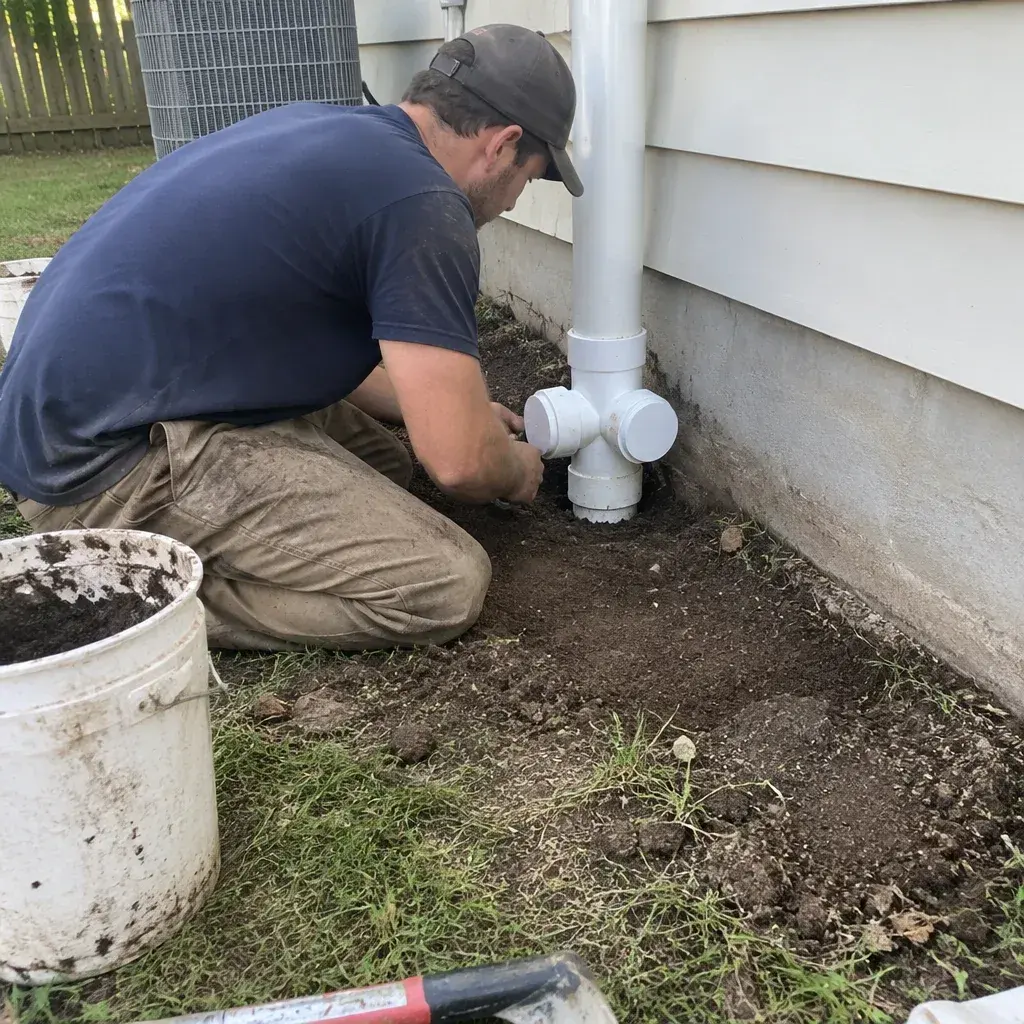
Returning Home
When can you use an area again after sewage cleanup? Equipment being gone is not, by itself, a clear signal to return.
Read article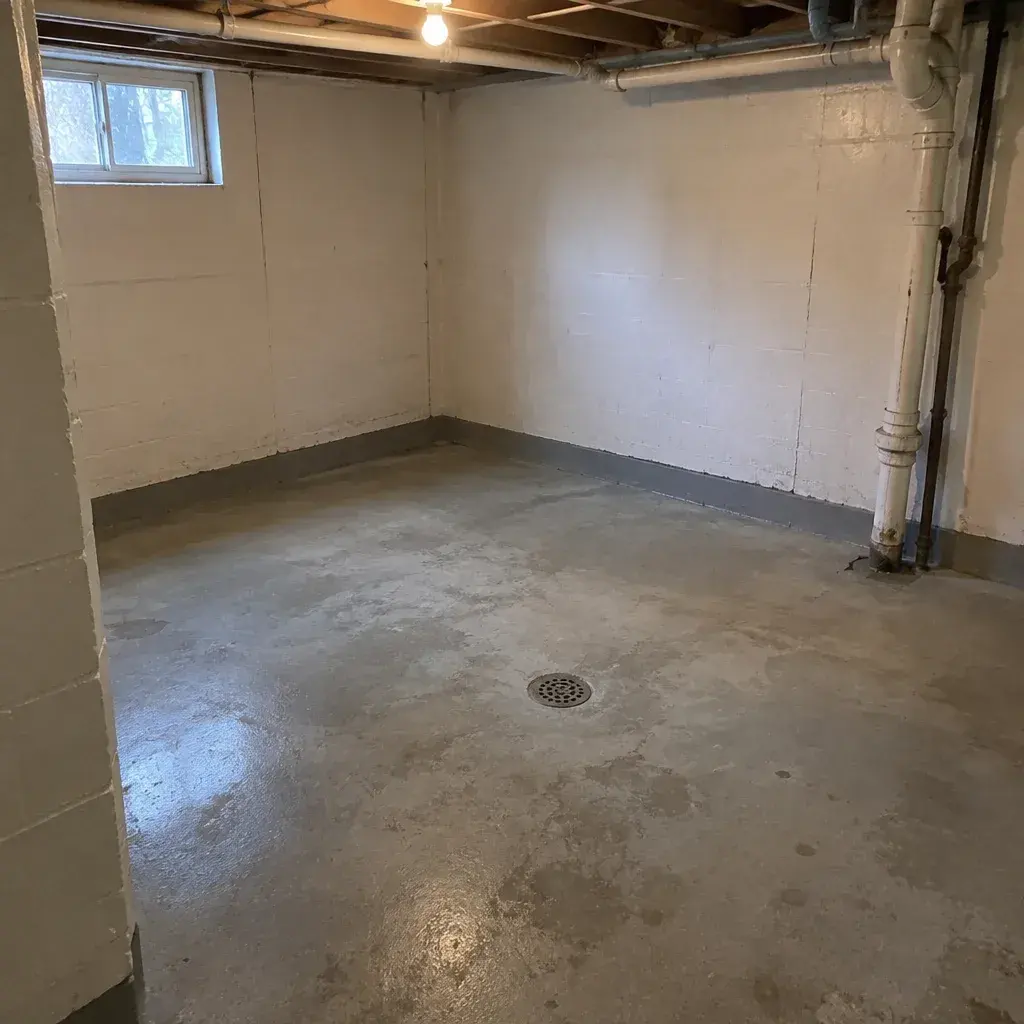
Contain the spill, assess affected materials, then clean and dry the space.
A floor drain backup can leave sewage pooled in a laundry area, basement, or utility room, with the wet edge reaching stored items and nearby doorways. The visible water shows only part of the problem: contamination can travel beneath movable belongings or into flooring at the room’s low point. Keep people and pets out, and avoid handling anything in the affected space. The first useful detail for cleanup is how far the wastewater traveled from the drain.
A pro starts at the floor drain, then checks nearby fixtures and an accessible cleanout to see whether the affected branch or a larger sewer line needs attention. In homes with basement drains below the street sewer level, limited stairways or a distant cleanout can make equipment access and debris removal slower; slab-on-grade homes may require a different route to the pipe. The amount of porous flooring or wall material to remove, the area needing disinfection, and the drying needed shape the work’s cost and duration. The pros we connect you with can assess those conditions on site.
Look to each place page for its configured local details. Sewage damage cleanup addresses affected surfaces inside the structure.
For a private residence, start with Sewer Backup Cleanup; when you are responsible for cleanup in a tenant or customer space, choose commercial sewer backup cleanup.
Check the floor around the drain, then look at the feet of boxes, hampers, and stored equipment nearby. Sewage can leave marks on items that were not fully submerged, showing how far it moved across the room. Do not lift or sort contaminated belongings yourself. A waterline on a wall or floor covering can show how high sewage reached beyond the open puddle.
Notice whether the affected room can be kept apart from hallways and living areas without crossing wet flooring. Check whether there is a way to leave the room without stepping across wet flooring. Tell the provider where the room connects to the rest of the house and whether anyone has already walked through it. That helps set a practical boundary for containment.
A floor that feels dry at the surface may still hold moisture under resilient flooring, carpet padding, or the bottom edge of a wall. Look from outside the affected area for buckling, discoloration, or damp trim; do not pull materials back to investigate. These changes can help the provider decide where to check for contamination and moisture. If hidden areas remain wet, drying may take longer and some finishes may need removal.
The provider assesses the floor drain and follows the contamination boundary, then separates the affected room from clean areas to limit transfer.
Standing wastewater is extracted, and contents, flooring, and lower wall materials are reviewed to determine what can stay and what must be removed.
Moisture in retained structural materials is checked during drying to confirm the affected area is drying.
Odor is treated after contamination is removed, while moisture checks track drying in the floor and other affected building materials.
A drain backup can also make the room harder to use until cleanup is complete. In homes with finished basements or utility rooms, absorbent materials may hold contamination below the visible waterline. Keeping the space isolated gives the cleanup provider room to assess those surfaces, remove materials that cannot be restored, and dry what remains.
The cleanup needs depend on how sewage moved and which building materials it reached. In other covered areas without a dedicated page, the same referral connects you with pros who can discuss floor drain sewage cleanup for the property. Share the address and describe which rooms and materials were reached so the referral can be directed appropriately. Local plumbing help may also be needed if the backup source still requires attention.
Ask what steps the licensed pros we connect you with will take to avoid carrying contamination on gloves or footwear. Find out how disinfectant use follows its label directions, including required contact time and precautions. Keep your own dated record of rooms and belongings affected, materials taken out, and work completed. These notes can support a damage report; any insurance payment depends on your policy. Save the provider’s written scope with your records.
Floor Drain Sewage Cleanup ranges for the United States are estimates; ask the pros we connect you with whether an assessment visit carries a fee and what the written cleanup plan includes.
| Impact, Cleanup Scope, Cost Drivers | Cleanup Scope & Cost | Impact, Scope, Cost Drivers |
|---|---|---|
| Narrow scope | Cleanup tasks described for the area identified during assessment | an estimated $1,200–$3,000 |
| Focused cleanup | Assessment-led cleanup of documented affected areas and materials | an estimated $1,380–$3,900 |
| Major repair | Extend planned work when assessment records newly verified contamination | an estimated $1,200–$3,000 |
| Full cleanup | Sewer pipe repair is separate from cleanup of contaminated building areas | an estimated $2,880–$12,000 |
Check whether disposal of absorbent materials is included in the cleanup estimate. Added odor work can also affect the cleanup scope. Upgrades to longer-lasting materials apply to rebuilding; the full pricing guide outlines how to consider these separate costs.
The pros we connect you with first keep the affected area apart from clean rooms and determine how far sewage traveled from the floor drain. They remove standing contaminated water, assess contents and building materials, and take out porous items that cannot be safely restored. They check the affected area as work proceeds so surfaces reached by sewage are included in cleanup.
Not automatically. The cleanup assessment considers whether sewage contacted each item and whether its material can be thoroughly cleaned and disinfected. Hard, nonporous belongings may be treatable, while absorbent items such as cardboard or some textiles can retain contamination and may need disposal. Ask the provider to identify the affected contents and explain the recommendation for each type before anything is discarded.
Pros compare what sewage reached with each material’s ability to be cleaned, disinfected, and dried. They check floor coverings, stored items, wall edges, and other affected surfaces, since absorbent items can hold contamination beyond what is visible. Some belongings may be salvageable after suitable cleaning; others may need removal. Ask the cleanup provider to explain the assessment item by item and how they will handle anything that cannot be kept.
A persistent sewage odor can signal that residue or a contaminated item remains, including in a floor seam or beneath a finish. Ask the cleanup provider to review the drain area, nearby contents, and materials that may have absorbed wastewater. If the smell returns after cleaning, note when it happens and which area is strongest. Masking the smell alone does not resolve contamination.
Drying time depends on how much water entered the structure and whether flooring or lower walls retain moisture. After extraction and cleaning, the provider checks affected building materials and monitors damp areas as they dry. If moisture is found beneath a floor finish or inside a wall edge, more material may need assessment before drying is complete. The provider can explain what readings or conditions will guide the next step.
Keep out of the affected basement while cleanup is underway, and keep children and pets away as well. Share any known details about how the sewage entered the basement with the licensed pros we connect you with. Wait until the pros say the basement has been assessed, cleaned, and is safe to reenter. If part of the basement is outside the affected area, ask before using it during the work.
$1,200–$3,000 for this work applies to floor drain sewage cleanup. The estimate accounts for the cleanup boundary, materials affected by sewage, and drying requirements; the pros we connect you with can confirm final pricing after examining the damage.
Explore guides to sewage hazards, cleanup steps, and drying methods to better understand a sewer backup.
When can you use an area again after sewage cleanup? Equipment being gone is not, by itself, a clear signal to return.
Read article
A call can clarify what to report and what the arrival estimate covers. Learn what to report, what can affect dispatch, and what to clarify while waiting.
Read article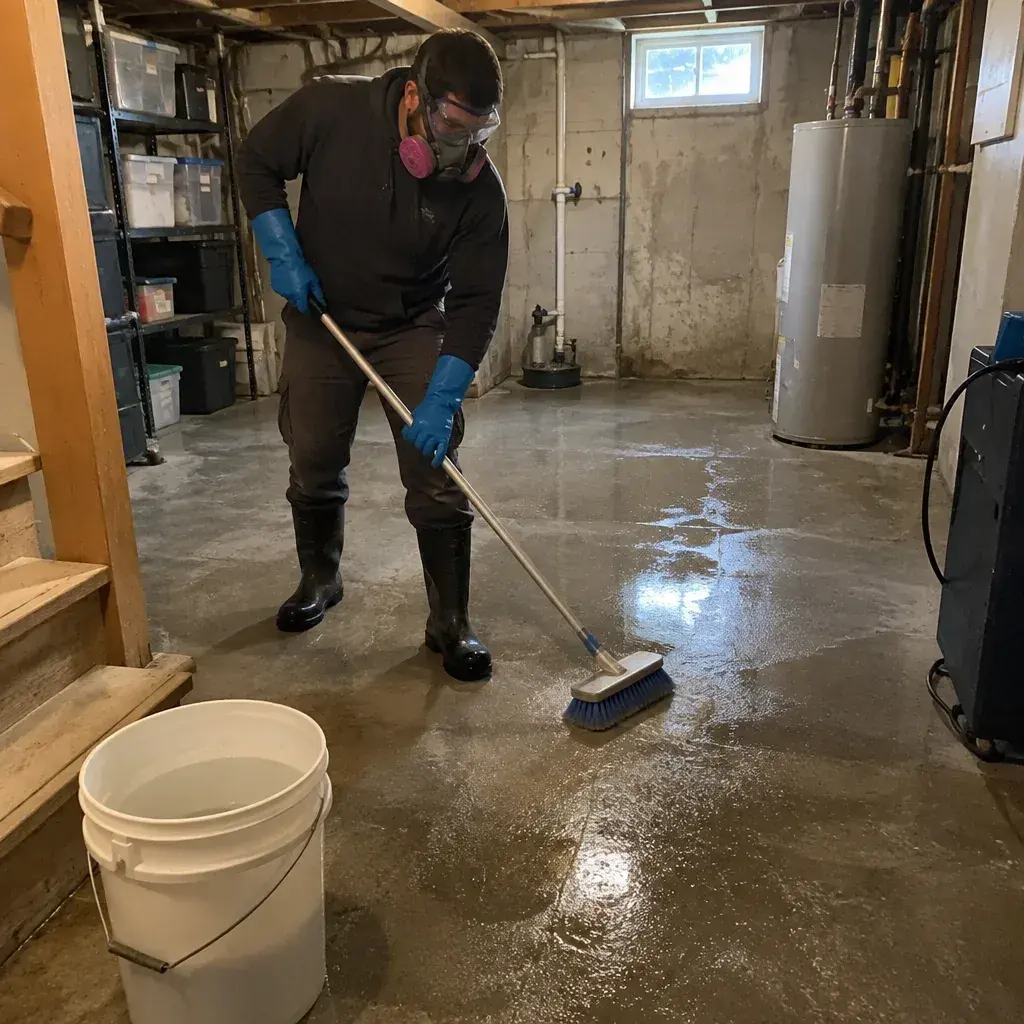
Professional sewage cleanup time depends on the work found and the drying endpoint. Learn how to ask for a stage-by-stage estimate and what findings could change the cleanup timeline.
Read articleWhen checking service near you, begin with the property address and a short account of where sewage surfaced and what it touched. Keep everyone, including pets, out of those rooms while the situation is assessed. Note whether the backup is still active, since that can affect what the assessment needs to cover. Find out how sewage will be extracted, which materials may be taken out, how remaining surfaces will be treated, and what drying involves. Clarify visit charges and request the proposed work in writing.
Call (877) 386-0069