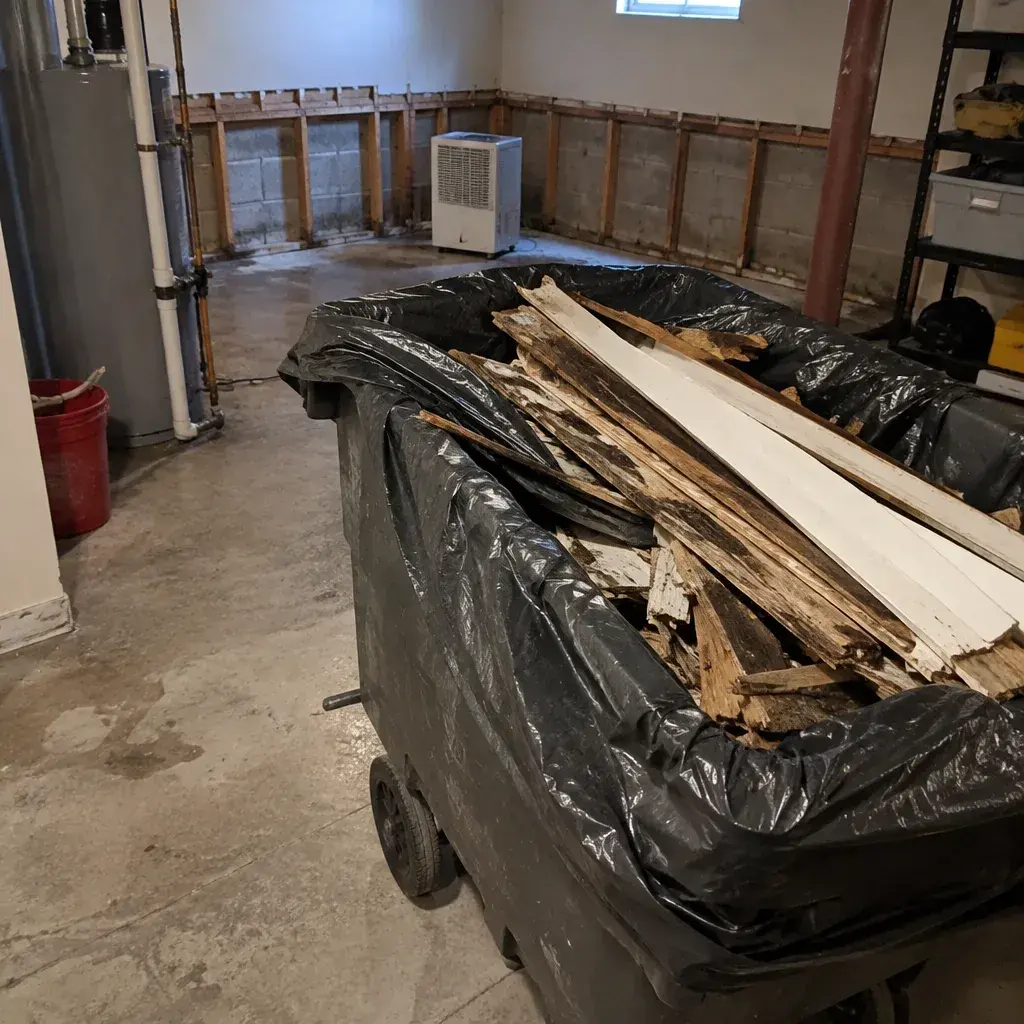
How Sewer Backups Affect Your Home
The same visible spill can affect different floor layers depending on how the floor is built. Sewage entering at an edge or fitting can follow those hidden interfaces, so removal decisions depend on the materials in that particular building.
Seasonal temperature and indoor humidity vary across the country and can affect how quickly exposed floor materials dry. A surface may feel dry while a deeper layer retains moisture, so assessment follows the structure beneath the finish rather than the season alone.
Location pages show where this site provides local information, while requests from other parts of the country move through the same referral. For a sewer backup, that connection concerns cleanup of interior contamination; a plumber may still be needed to find or fix the sewer-line cause.
Sewer Cleanup Overview
- UNDERFLOORING
- Sewage may move along a flooring edge or through an opening around a pipe before reaching absorbent layers.
- BEFORE CLEANUP
- The finish, underlayment, and subfloor can differ in porosity, so cleanup decisions are made layer by layer.
- MATERIAL REVIEW
- A visible stain marks contact at the surface but does not define the full concealed path beneath the floor.
- UNDER FLOORING
- Material beneath a threshold can carry contamination into a neighboring room with no obvious spill at its center.
- FLOORING SCOPE
- The licensed pros we connect you with focus on contaminated flooring and affected indoor materials during a cleanup assessment.
- CLEANUP
- Temperature and indoor humidity shift with the seasons and can change drying time after flooring is opened. Because a dry finish can cover moisture below, cleanup professionals assess the exposed layers and monitor drying rather than relying on surface feel.
- COST FACTORS
- an estimated $3,500–$6,500
Other Types of Water Damage
Cleanup steps differ because sewage can contaminate hidden layers that ordinary water may only dampen. Those changes do not reveal whether sewage was involved; the backup history and an assessment of the layers below the floor help distinguish the cleanup needed. A plumber can inspect the drain line and determine what pipe work is needed. Sewage cleanup beneath flooring addresses residue and damaged materials inside the building; a cleanup assessment does not establish why the line backed up or repair it.
Understanding Sewer Backup Cleanup Work
The pros we connect you with trace possible travel paths along seams, trim edges, and openings around pipes or fixtures, then compare those routes with the flooring construction. They isolate the affected room before opening selected sections. This staged inspection shows whether contamination reached underlayment or subfloor that may not be cleanable.
After inspection, absorbent layers reached by sewage may be removed, while suitable exposed structure is cleaned and disinfected with products used as directed. The team checks moisture in the exposed assembly and dries affected parts before flooring work resumes. The route and depth of contamination shape how much material comes out.
First confirm the backup has ended; returning wastewater puts the affected area back in play. If sewage is limited to surfaces that can be cleaned and dried promptly, one visit may finish the work. Wider contamination, material removal, or continued structural drying calls for planned follow-up. Sewer-line diagnosis is plumbing work.
IMMEDIATE CLEANUP AND FOLLOW-UP SERVICE OPTIONS
| Cleanup Services |
What to Do Next |
|---|
| An early, contained sewer backup | Sewer backup cleanup |
| Repeated sewage backup in the same area | As needed |
| Contamination across multiple surfaces and materials | Remove contaminated materials, disinfect surfaces, and dry |
Cleanup Tasks You Can Safely Handle
From a dry doorway, look for raised seams, baseboard gaps, or floor edges sitting unevenly; these changes can indicate moisture beneath the finish. Do not press soft spots or lift boards, since opening the assembly can spread debris. Keep people and pets clear until assessment. Absorbent flooring can hold sewage below the visible surface and may need removal during cleanup.
Health Risks from Sewage Exposure
Sewage beneath a floor can leave harmful contamination on hidden surfaces and in absorbent layers. Moisture can carry residue into seams and porous backing, where wiping the visible floor will not reach it. Contact with contaminated material can expose skin, eyes, or cuts; a cleanup professional can assess the affected assembly and control access while cleanup proceeds.
What Can Affect Sewer Cleanup Costs?
If you are unsure how far contamination traveled, share what you observed and ask how that uncertainty changes the cleanup scope and estimate.Use $7,000–$14,000 as a planning reference for work inside the structure after affected areas are assessed. It addresses cleanup tasks; correcting the sewer problem that sent sewage indoors falls under plumbing. Ask the pros we connect you with whether a visit has a separate charge, and have them set out the exact cleanup work they propose.See the full Sewer Backup Cleanup price ranges and what can affect your total cost.