Cleanup Problems
What Happens After a Sewer Backup in the United States
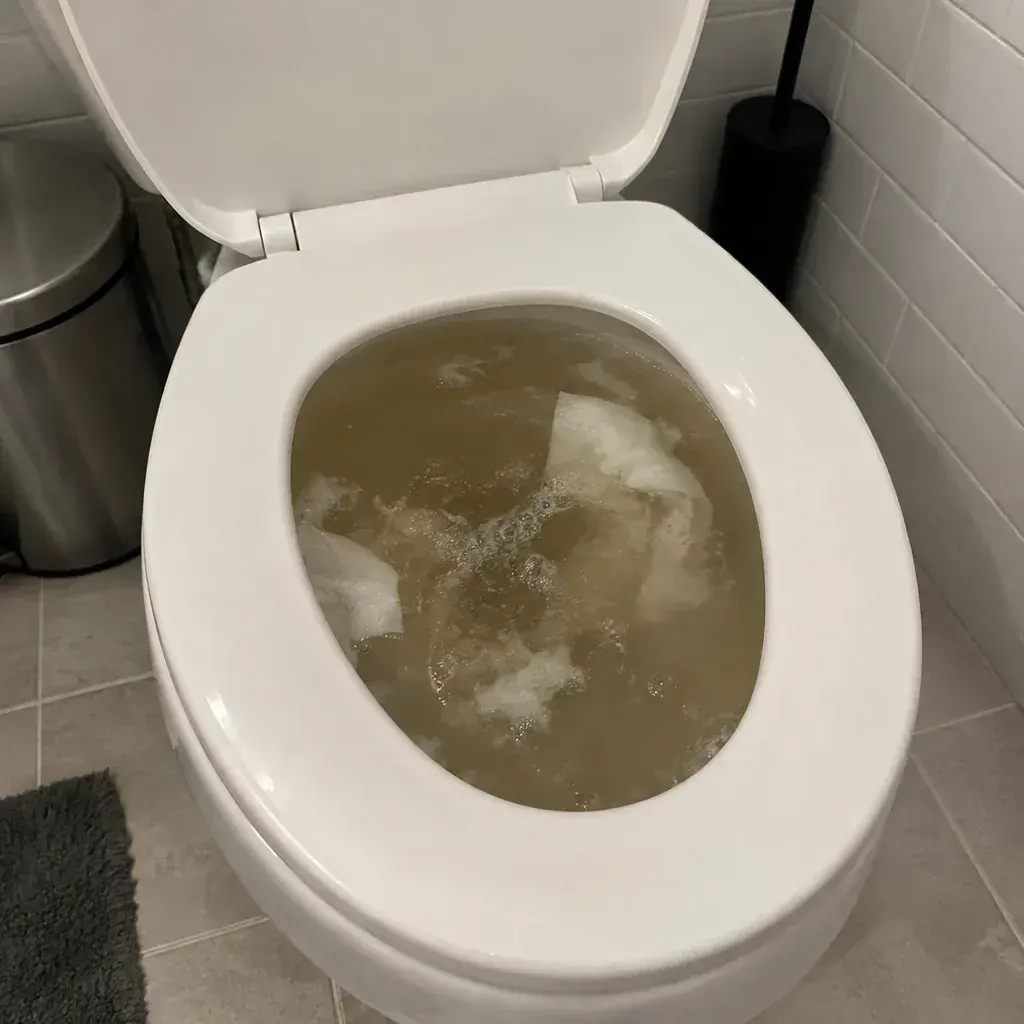
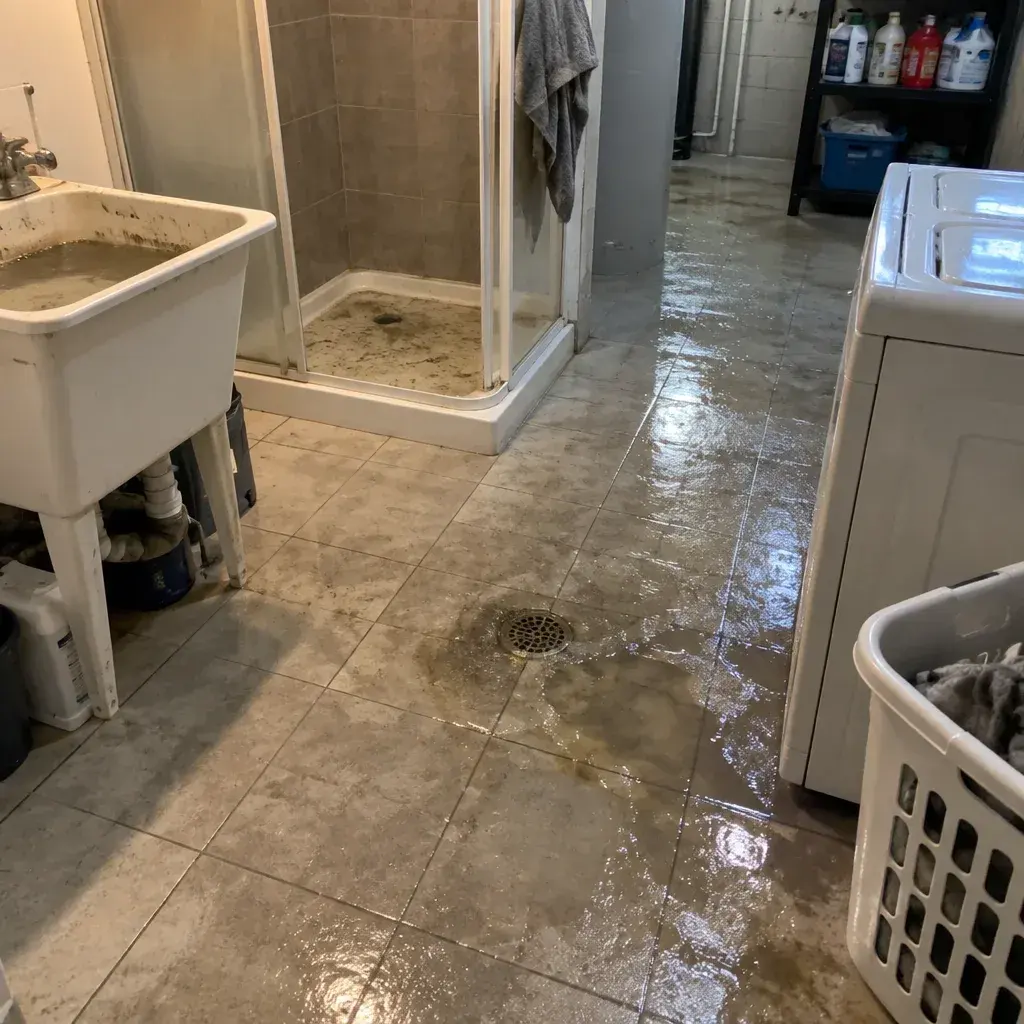
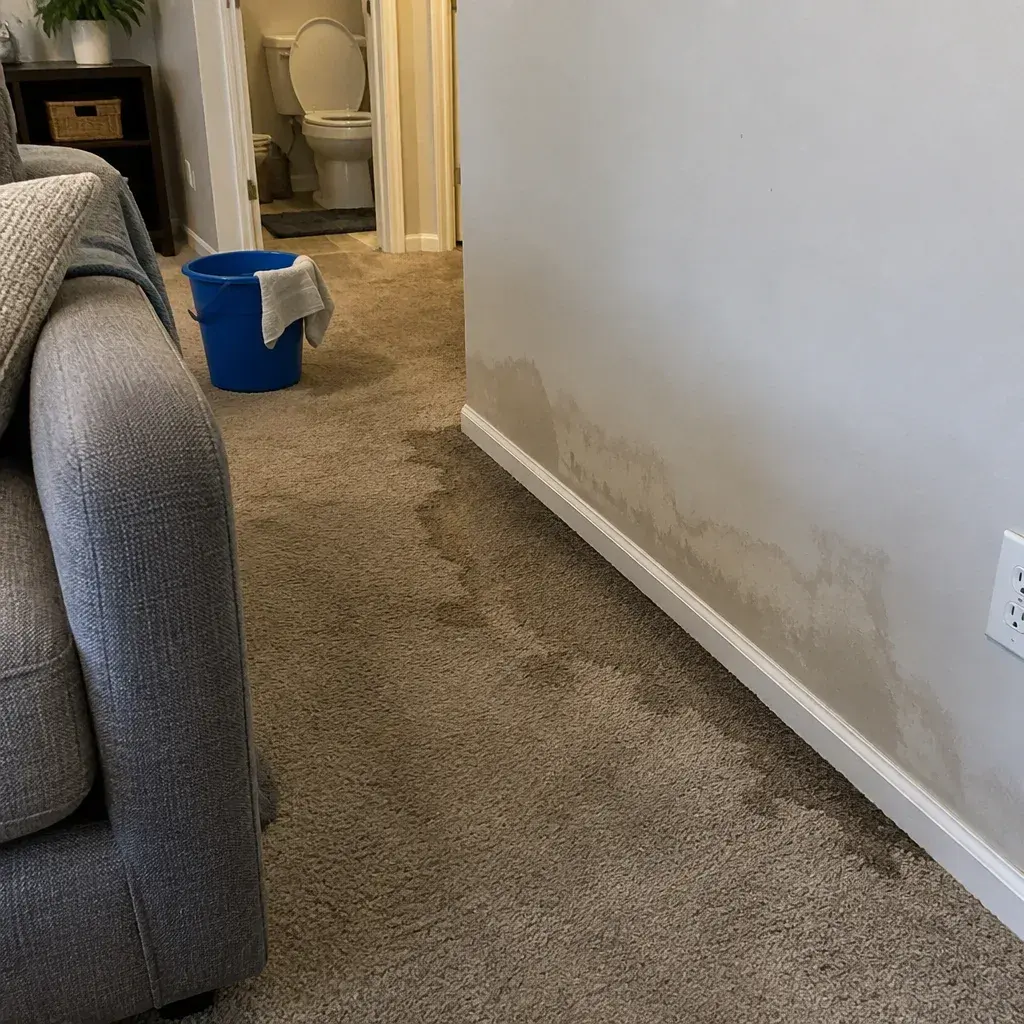
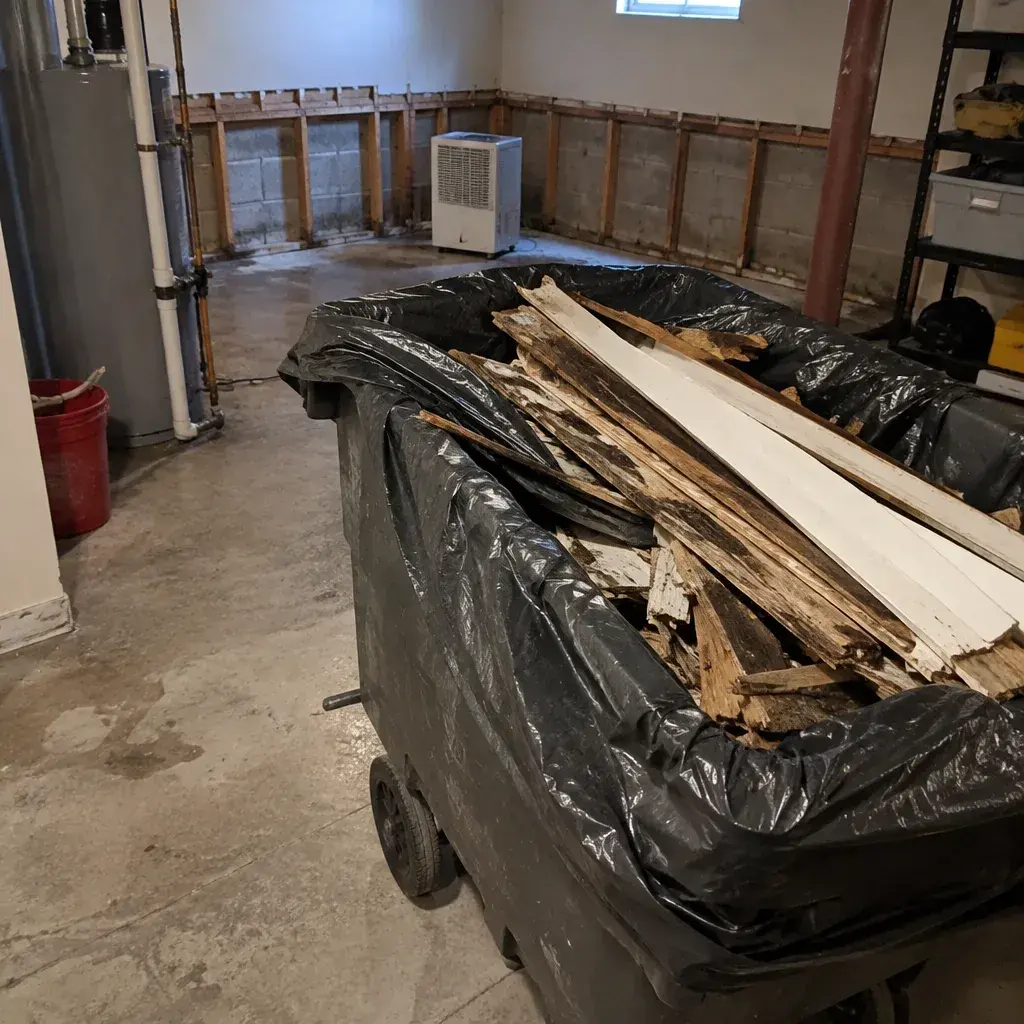
Look across the affected room in order: note where sewage is visible, which items or building surfaces absorbed it, whether an odor remains, and where dampness persists. Those observations describe different parts of the problem. The blockage or failure behind a backup can matter alongside the mess it leaves behind. Cleanup may address the residue, affected items and surfaces, lingering odor, and moisture left in building materials. The visible floor is only one clue to what needs attention.
SEWER CLEANUP
Review the issues that may shape cleanup after a sewer backup in the United States and the surrounding the United States communities. The cleanup steps depend on the materials and extent of contamination. Cost estimates appear on the pricing guide.
An assessment can trace how far the backup reached inside and distinguish contamination concerns from building parts that need drying. Porous items that took in sewage may be unsuitable for cleaning alone; other affected surfaces can be treated, then damp materials dried. The sewer line itself is a separate question for a plumber, who can diagnose and repair it. The site has pages for covered locations; if your area has no dedicated page, the shared referral can still connect you with the pros we connect you with.
Backup Situations

Contamination Spread
What People Ask
Your Questions, Answered
I found sewage indoors; which problem page should I read first?
Start with the sewer backup topic if you have found sewage or suspect contaminated water inside. From there, choose a related problem page that fits what you are trying to understand, such as contamination or damage to building materials. Related pages can also explain how sewage contact may affect household items.
What signs mean I should read about sewage cleanup?
Look for signs that wastewater may have reached indoor materials: sewage residue, water coming up through a drain or toilet, or flooring and lower walls that are damp or discolored. A lingering sewage odor can also point you toward cleanup information. These signs help you choose which problem topic to read; an online description cannot confirm what is contaminated or determine the full extent of damage.
Who can help identify what is causing the sewer backup?
Choose plumbing information when your main question is what is obstructing the sewer line or whether the line needs repair. A plumber can investigate that source. A line problem can change how wastewater flows before indoor cleanup becomes a concern. If you need answers about both the cause and the indoor impact, those are separate parts of the problem and may call for both kinds of help.
Find Cleanup Help
Trace the Backup Across Building Materials
Sewage may spread beyond the drain or fixture where a backup first appears, so note the rooms, surfaces, and belongings it reached before discussing a plan. Avoid moving affected belongings until the cleanup plan explains how they will be handled. Ask the cleanup provider about availability, assessment timing, any visit charge, and the proposed removal, cleaning, disinfection, and drying. A written scope helps show what the work covers.
Call (877) 386-0069