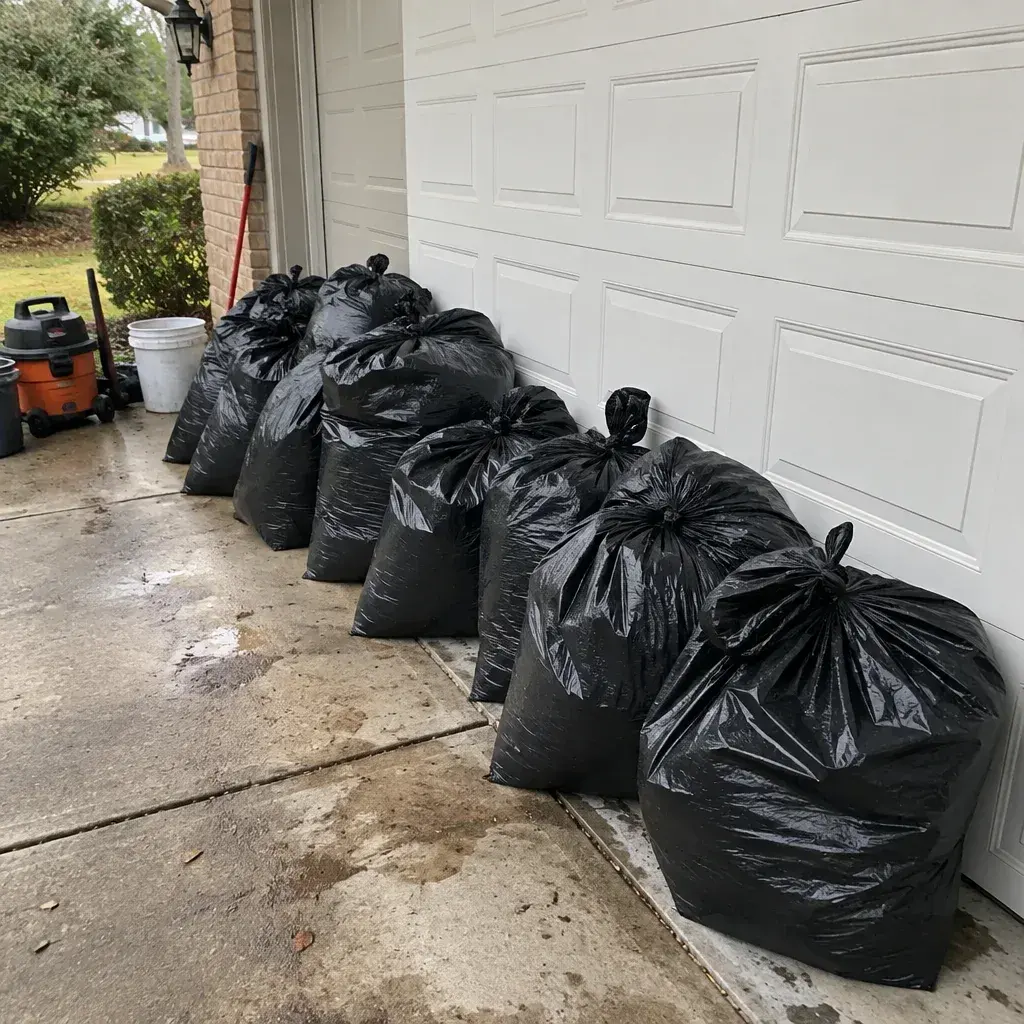
Response Time
A call can clarify what to report and what the arrival estimate covers. Learn what to report, what can affect dispatch, and what to clarify while waiting.
Read article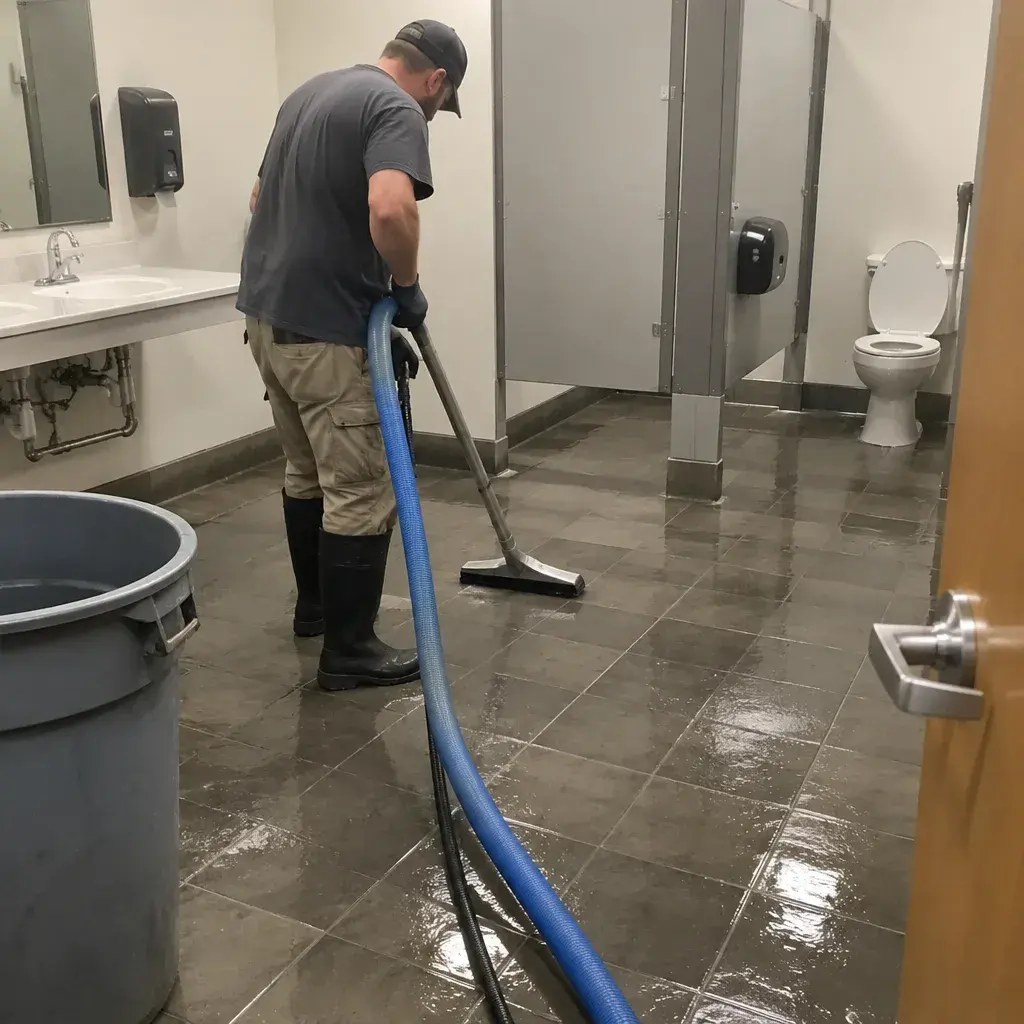
Assess pooled wastewater, extract accessible liquid, then plan the remaining cleanup.
A basement floor drain, laundry standpipe, or lower-level bathroom can be the first place sewage appears, while the layout determines which rooms are practical to reach for extraction. Note which fixture or drain was involved, what flooring lies along the route, and whether the affected rooms connect through a hallway or stairs. That description gives a cleanup provider a starting map of the job. Sewage extraction removes standing liquid; the remaining work depends on which building materials were exposed and what condition they are in afterward.
Before choosing extraction equipment, a cleanup provider checks the water’s depth and condition, the affected rooms, and how equipment can reach them. The amount to remove, access through doorways or stairs, and materials that need attention afterward can all affect the work time and cost. Items on the floor may need to be moved so extraction can reach the affected area. Cleanup handles contamination inside the property, while plumbing addresses its source.
For East and Central Denver CO, Southwest Denver CO and North Denver and Sherrelwood CO, a page identifies a listed service location, not a property's sewer connection. Sewage Backup Extraction addresses contaminated interiors, with cleanup steps shaped by what the assessment finds.
A household cleanup belongs at Sewer Backup Cleanup; for a property serving tenants or customers, find the relevant cleanup guidance through commercial sewer backup cleanup.
Look beyond the room where sewage first appeared. Check adjoining rooms, closets, and the edges where flooring meets walls; liquid can travel through openings and leave wet or stained surfaces outside the main pool. Note each area you can see without entering contaminated space. That account helps a cleanup provider estimate the extraction boundary and consider whether the work needs to extend beyond the first visible patch.
A lower water level does not establish that the floor is clear. Liquid may collect in a low spot, remain under a floor covering, or reach seams and gaps that are hard to see. Tell the provider what floor finishes are present and where water stood. The assessment can then account for hidden moisture as well as what extraction equipment can reach directly.
Notice what remains after the standing water has been removed: damp lower walls, affected belongings, or an odor that persists can signal that cleanup still has work to do. Make a simple record of the rooms and materials involved, and share it with the provider. Staining or a change in surface texture can also point to materials that need closer review.
The provider assesses affected rooms, water depth, and equipment access, then sets the work area so extraction can proceed without spreading contamination into clean spaces.
Equipment suited to sewage removes pooled liquid from accessible low areas; the provider checks the floor and nearby spaces for water the first pass missed.
After extraction, affected materials are assessed for removal or cleaning; suitable surfaces are disinfected using products as their labels direct.
Air movement helps carry moisture away from the structural materials being dried.
Sewage extraction reduces contaminated liquid, but it cannot remove contamination held by every building material. Sewage can also reach contents that were sitting in the affected area. Moisture left in structural materials can also prolong the cleanup. Assessing the affected rooms and materials after extraction helps set the work that remains, including odor treatment and drying.
Sewage extraction removes pooled liquid, but it does not by itself make a room ready to use. The cleanup provider assesses the structure, removes standing sewage and contaminated water with extraction equipment, then determines what needs further attention. Materials that have absorbed sewage may need to be removed; surfaces kept in place require cleaning and disinfection. Damp structural materials then need drying, and odor treatment may follow. If a backup is continuing, plumbing work may be needed to address its cause. Ask the provider to explain what steps follow liquid removal and what conditions will show that drying is complete.
The cleanup approach depends on the condition of affected materials and the contamination they encountered. Some locations have their own service pages; elsewhere, requests connect through the same referral. The referral arrangement does not establish why a particular property had a backup. A plumber can assess the sewer line or other source when needed.
Use sewage backup extraction estimates for the United States to frame costs; the pros we connect you with can disclose an on-site assessment fee and spell out cleanup tasks in writing.
| Impact, Cleanup, Cost Drivers | Site, cleanup, price drivers | Impact, cleanup, cost |
|---|---|---|
| Localized cleanup | Inspection findings set the cleanup plan for the affected area | an estimated $2,700–$6,800 |
| Expanded scope | Only assessment-approved removal, washing, germ control, odor management, and structural drying | an estimated $3,105–$8,840 |
| Major cleanup | Additional locations or materials qualify after identification and documentation | an estimated $2,700–$6,800 |
| Severe contamination | The agreed cleanup covers the structure; plumbing work addresses the sewer line | an estimated $6,480–$27,200 |
An estimate may divide the work among sewage extraction, disposal of absorbent materials, and treatment of surfaces that can remain. Ask whether odor control and drying are included, and keep any upgrade to longer-lasting replacement materials in the rebuilding budget. A written breakdown can make each cleanup task easier to review.
A cleanup provider first assesses where the sewage reached and how the affected areas can be accessed. They use equipment suited to contaminated water to draw standing liquid from floors and low points, then check for areas that still need attention. Keep people and pets away during the work. They may also identify which affected contents can be cleaned and which need removal.
The time depends on how much liquid is present, how many rooms it reached, and how easily equipment can reach those areas. Stairs, narrow access, or water spread across separate spaces can add work. Extraction may also uncover affected materials that need further cleanup. Ask the provider what conditions could extend the schedule and what work follows once standing water is out.
The amount of sewage, the affected floor area, access for equipment, and the cleanup needed afterward all influence the estimate. Ask the provider to explain which work covers extraction and which covers affected materials, surface cleaning, disinfection, odor treatment, or drying. A clear scope lets you compare what is included without treating water removal as the whole cleanup.
A strong odor or visible residue can help indicate where wastewater has reached, even when the floor looks mostly clear. The provider checks equipment access, selects equipment suited to sewage, draws liquid from reachable floor areas, then checks nearby low points for missed pockets. Extraction removes bulk wastewater; it does not establish that hidden materials are clean or dry. Ask how the work fits the remaining cleanup plan.
Odor treatment can follow sewage removal and the cleanup of contaminated materials and surfaces. A provider may assess whether affected materials remain or moisture still needs drying before choosing how to address the smell. Share where the odor is noticeable and whether it changes after extraction. Odor treatment is one part of cleanup, alongside cleaning, disinfection, and drying.
Providers choose extraction equipment based on the contaminated liquid, the area it occupies, and how the equipment can reach it. The setup may differ between an open floor and a cramped utility space or a lower level reached by stairs. Describe the access and rooms involved when requesting an assessment; those details help the provider plan the removal and the cleanup that follows.
$2,700–$6,800 for this work applies to sewage backup extraction. The estimate accounts for the cleanup boundary, materials affected by sewage, and drying requirements; the pros we connect you with can confirm final pricing after examining the damage.
Explore practical information on sewage hazards, cleanup steps, and drying after a sewer backup.
A call can clarify what to report and what the arrival estimate covers. Learn what to report, what can affect dispatch, and what to clarify while waiting.
Read article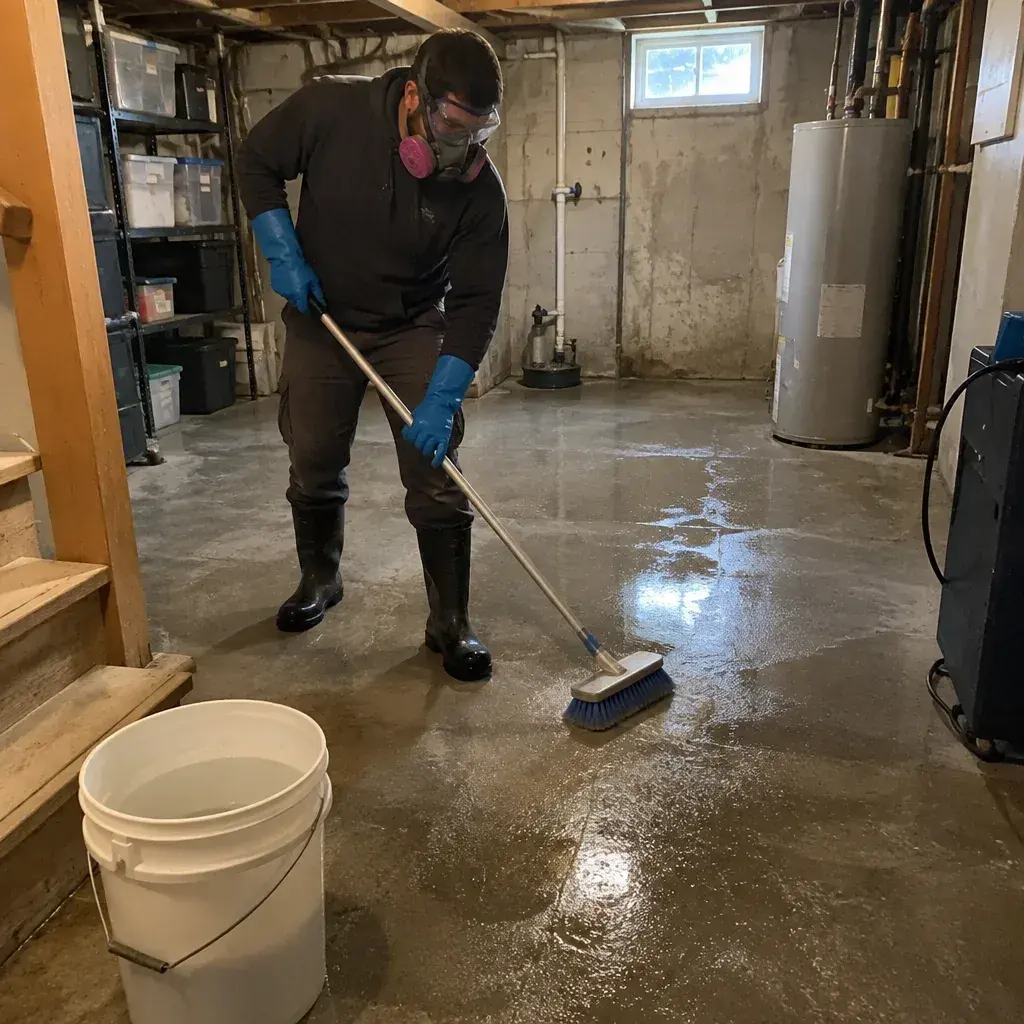
Professional sewage cleanup time depends on the work found and the drying endpoint. Learn how to ask for a stage-by-stage estimate and what findings could change the cleanup timeline.
Read article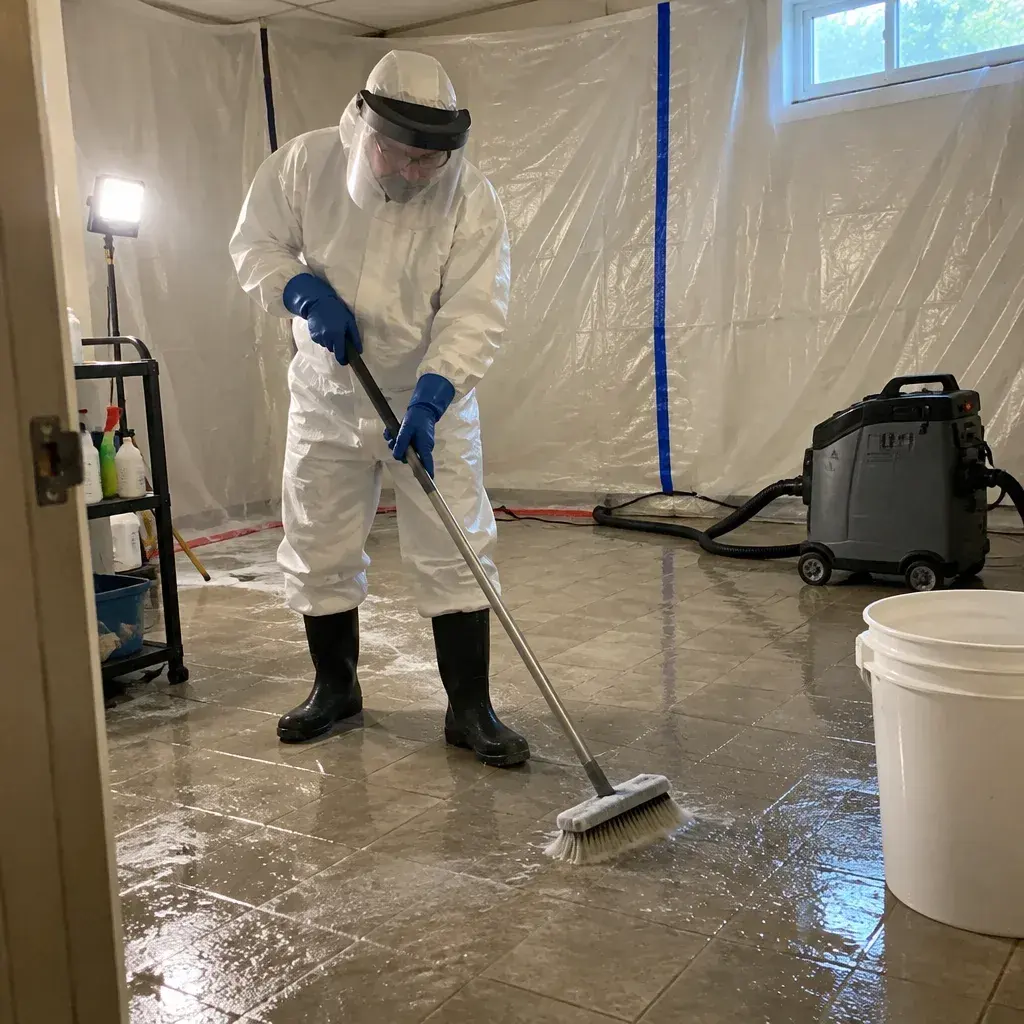
Learn how visible spread, hidden areas, and absorbent materials affect the choice between DIY sewage cleanup and hiring a professional.
Read articleWhen checking service near you, begin with the property address and a short account of where sewage surfaced and what it touched. Keep everyone, including pets, out of those rooms while the situation is assessed. Note whether the backup is still active, since that can affect what the assessment needs to cover. Find out how sewage will be extracted, which materials may be taken out, how remaining surfaces will be treated, and what drying involves. Clarify visit charges and request the proposed work in writing.
Call (877) 386-0069