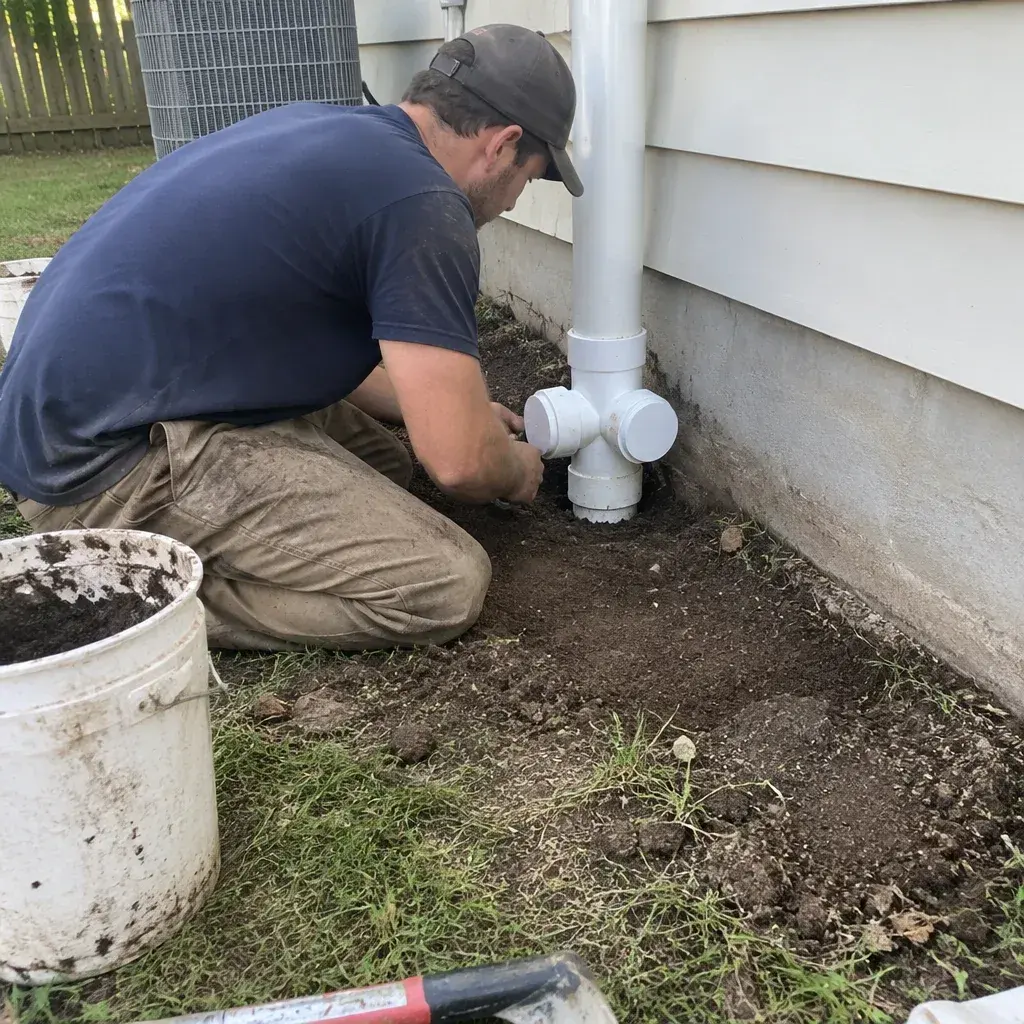
Returning Home
When can you use an area again after sewage cleanup? Equipment being gone is not, by itself, a clear signal to return.
Read article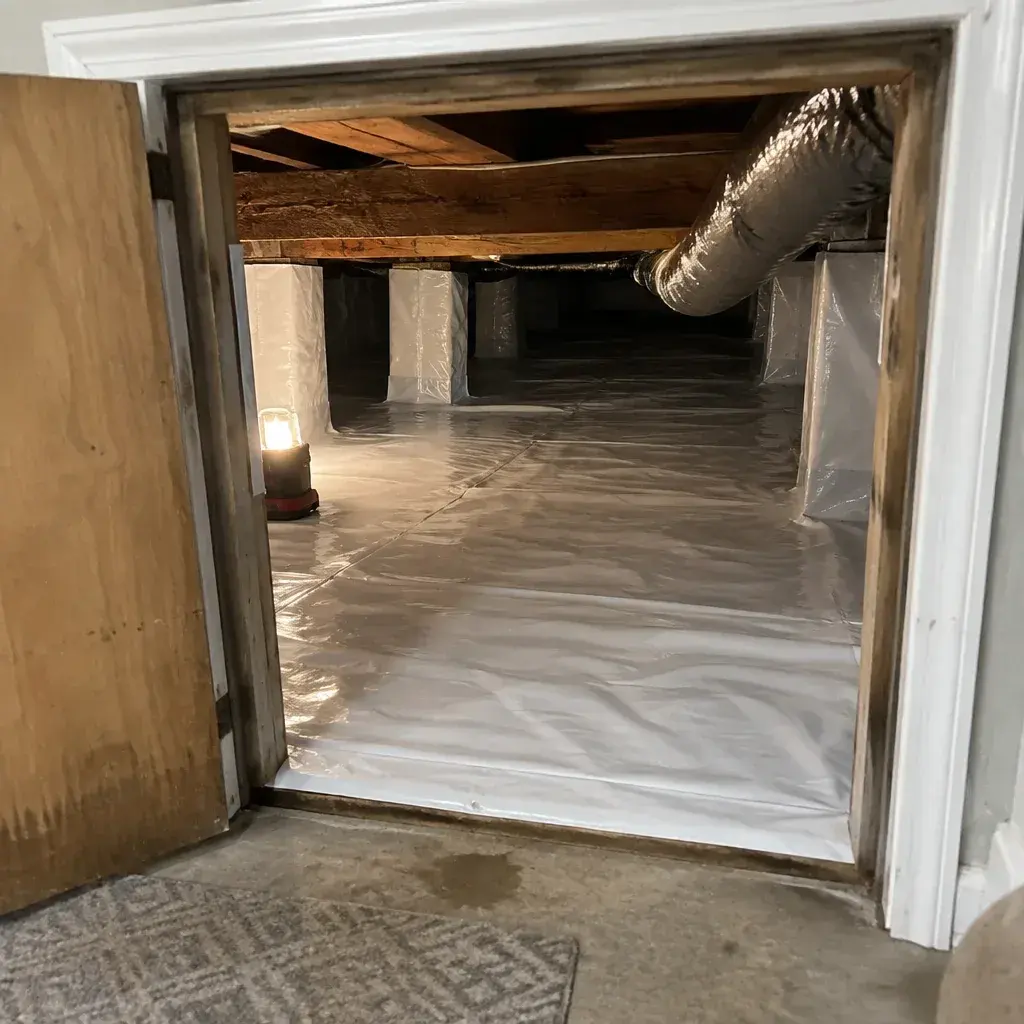
Contained sewage removal, surface cleaning, and careful crawl-space drying.
A crawl space can hold sewage below the rooms you use, where water collects around piers, along foundation walls, or in low spots beneath the floor. From outside, you may notice an odor or dampness before seeing any contamination. Do not crawl in to check. Keep people and pets away from the access point, and contact a cleanup professional to assess what the sewage reached and plan safe removal.
A pro starts at the crawl-space opening, then checks how far sewage reached, what absorbed it, and how equipment can pass through without dragging contamination into clean rooms. Those findings shape the order of extraction, removal, surface treatment, and drying; poor access or wet framing can extend the work. The site lists local pages for some areas. Where no dedicated page is listed, requests use the same referral connection to the pros we connect you with.
Across the configured service locations, Crawl Space Sewage Cleanup starts by tracing where sewage reached porous flooring or wall materials, since those may need removal before other affected surfaces are cleaned, disinfected, and dried.
A household cleanup belongs at Sewer Backup Cleanup; for a property serving tenants or customers, find the relevant cleanup guidance through commercial sewer backup cleanup.
Treat a sewage smell near a crawl-space vent or access door as a reason to keep clear, even if you cannot see liquid. Waste may have settled beneath the opening or left residue where air moves out of the space. Do not crawl in to trace the odor or move stored items. A damp or discolored patch on materials near the opening can signal that wastewater reached beyond the visible area.
From outside the opening, look for an unusual water line on visible supports, splashed residue, or insulation hanging lower than before. These clues can mark how far sewage traveled, but they do not show every surface it reached. Absorbent insulation, cardboard, and other porous contents may hold contamination after liquid is gone. Avoid touching or bagging anything yourself; a cleanup professional can determine what needs removal and how to contain it during extraction.
Check rooms above the crawl space for a new damp or musty odor, soft flooring, or moisture near the base of walls. Water can remain in the underside of the floor and framing after the pool below has been removed, so the surface may look dry while materials remain wet. Report changes you notice and leave the crawl space closed to foot traffic. Moisture checks by a professional help determine where structural drying is still needed.
The professional examines the access, clearance, and visible contamination, then plans equipment placement and a route for removing waste without carrying residue into clean rooms.
Containment separates the crawl-space work zone from clean areas; the team extracts sewage and removes absorbent materials that cannot be adequately cleaned.
Entering the space can expose people to sewage residue, even after visible wastewater is gone. Sewage residue may stay on a surface after liquid is pumped away, and wet wood can remain damp where air barely moves. Keeping people out gives the cleanup professional room to contain the work, remove contaminated material, clean what remains, and dry the structure without tracking waste indoors.
Keep household members and pets away from the crawl-space entrance and any track marks leading from it. Sewage can carry germs onto shoes, tools, and nearby objects, so moving items through the house can spread contamination beyond the original area. A cleanup professional can set containment between the work zone and clean parts of the home, then remove waste and affected material in a controlled path. Do not handle sewage or contaminated debris while waiting for assessment.
Keep people and pets out of the crawl space, and have a cleanup professional assess it from a safe access point. The confined entry can be contained before sewage and debris are moved through the home. Standing water is extracted, and porous insulation or other material that cannot be cleaned may be removed. A close inspection can reveal splashes on joists or supports that are easy to miss from the opening. Drying then removes moisture from framing and other materials left in place; the space should be checked before it is used again.
Treat Crawl Space Sewage Cleanup ranges in the United States as tentative; the pros we connect you with can clarify visit fees and provide a written breakdown of cleanup tasks.
| Impact, Cleanup, Cost Drivers | Site, cleanup, price drivers | Impact, cleanup, cost |
|---|---|---|
| Single area | Inspection findings set the cleanup plan for the affected area | an estimated $3,200–$9,000 |
| Focused cleanup | Only assessment-approved removal, washing, germ control, odor management, and structural drying | an estimated $3,680–$11,700 |
| Widespread impact | Additional locations or materials qualify after identification and documentation | an estimated $3,200–$9,000 |
| Largest scope | The agreed cleanup covers the structure; plumbing work addresses the sewer line | an estimated $7,680–$36,000 |
After the cleanup scope is defined, ask whether odor control or added drying is included. Choosing more durable materials for later rebuilding can change those costs separately. The full pricing guide describes how these items may affect an estimate; diagnosing or repairing the backup source is plumbing work.
Keep people and pets away from the hatch, and do not enter or move anything below the floor. Contact a cleanup professional to assess the space and contain the work area before sewage and debris are handled. Do not rinse waste toward a drain or into another part of the crawl space.
The team first controls the path between the crawl space and clean parts of the home, then uses extraction equipment suited to the access and depth of water. Containers and hoses are positioned to limit contact with supports and the opening. Once pooled sewage is removed, affected absorbent materials can be taken out so the exposed surfaces are ready for cleaning and disinfection.
The team checks the opening, distance to the affected area, headroom, and obstacles such as supports or ductwork. Those conditions guide where containment goes and whether hoses and containers can reach the work area. If the opening is too restricted for safe work, the professional can explain the access issue and options for handling it. Do not enlarge an opening or enter the space yourself.
After contaminated debris is removed, the team clears residue from surfaces that can remain, then applies a disinfectant appropriate for those materials. The treatment should reach the cleaned areas where sewage residue contacted the material. Cleaning first matters because soil or sewage film can interfere with disinfection.
Odor work follows the removal of sewage and material holding residue; treatment alone cannot correct an unclean surface. Drying equipment then moves air through the affected area while moisture checks track framing and other materials that are not visible from the opening. If readings remain elevated, the setup can be adjusted and checked again before the space is considered dry.
After sewage is extracted, the crawl space is checked for wet framing and hidden pockets that may be hard to reach from the access opening. Contaminated insulation and other porous material may be removed; retained surfaces are cleaned and disinfected. Odor treatment follows as needed, and drying continues until affected structural materials no longer hold excess moisture. Stay out during this work. If the backup source needs investigation or repair, have a plumber assess it.
Use $3,200–$9,000 for this work as the cleanup estimate for crawl space sewage cleanup. Keep a record of affected materials to track which items the cleanup estimate covers.
Explore practical information on sewage hazards, cleanup steps, and drying after a sewer backup.
When can you use an area again after sewage cleanup? Equipment being gone is not, by itself, a clear signal to return.
Read article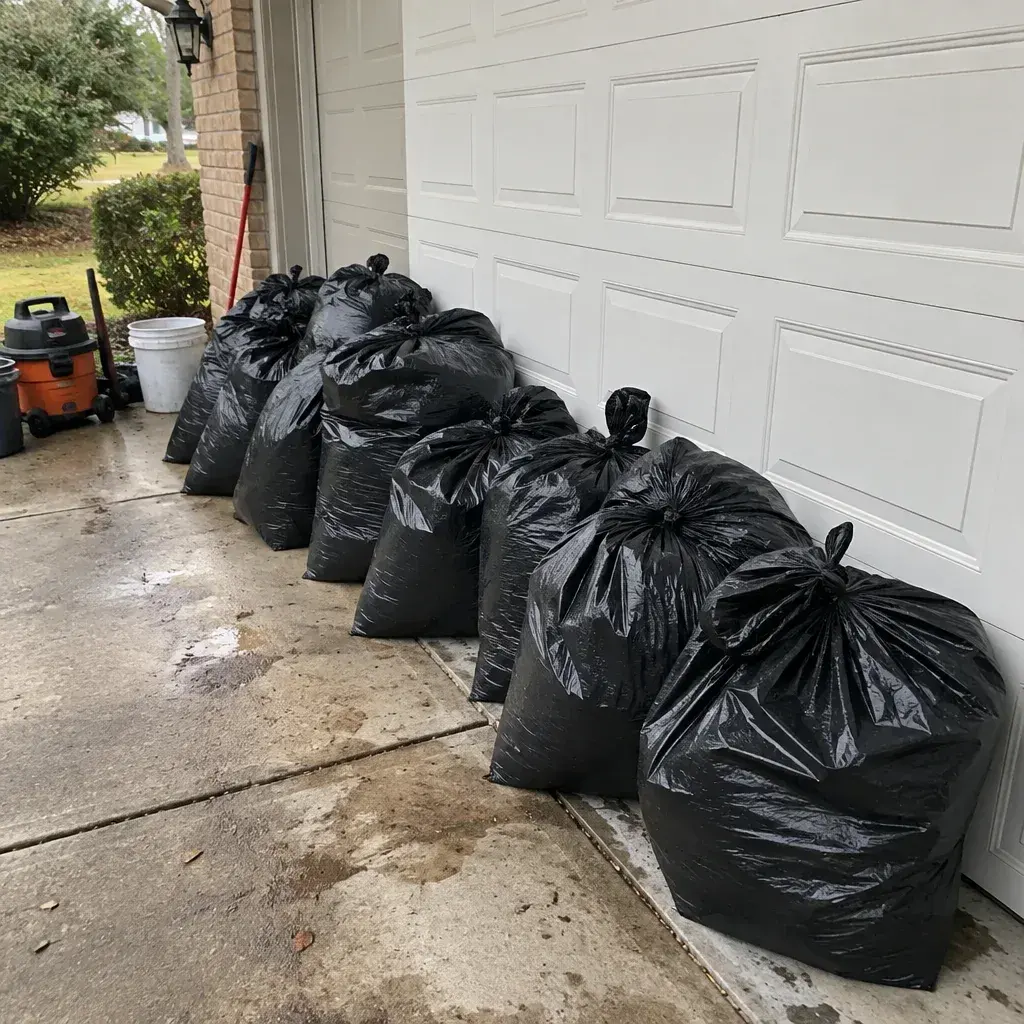
A call can clarify what to report and what the arrival estimate covers. Learn what to report, what can affect dispatch, and what to clarify while waiting.
Read article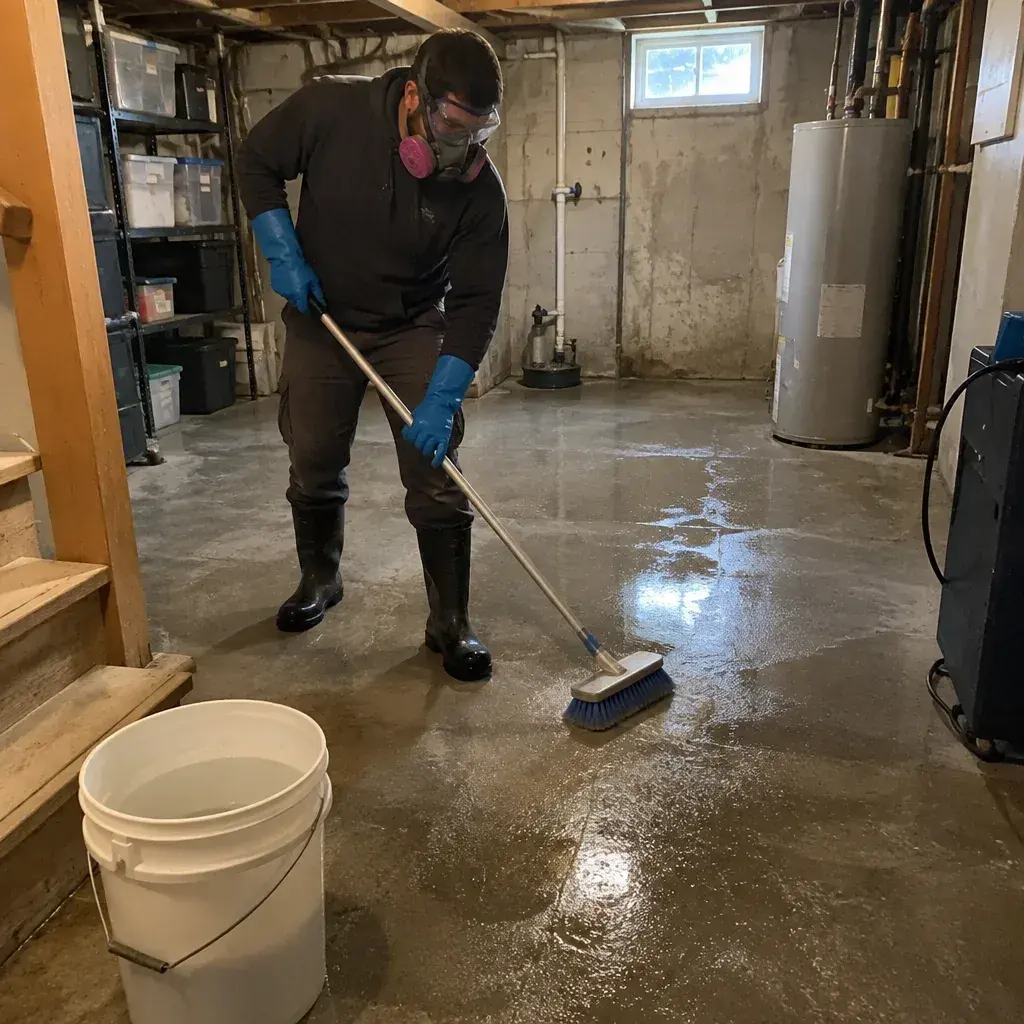
Professional sewage cleanup time depends on the work found and the drying endpoint. Learn how to ask for a stage-by-stage estimate and what findings could change the cleanup timeline.
Read articleWhen checking service near you, begin with the property address and a short account of where sewage surfaced and what it touched. Keep everyone, including pets, out of those rooms while the situation is assessed. Note whether the backup is still active, since that can affect what the assessment needs to cover. Find out how sewage will be extracted, which materials may be taken out, how remaining surfaces will be treated, and what drying involves. Clarify visit charges and request the proposed work in writing.
Call (877) 386-0069