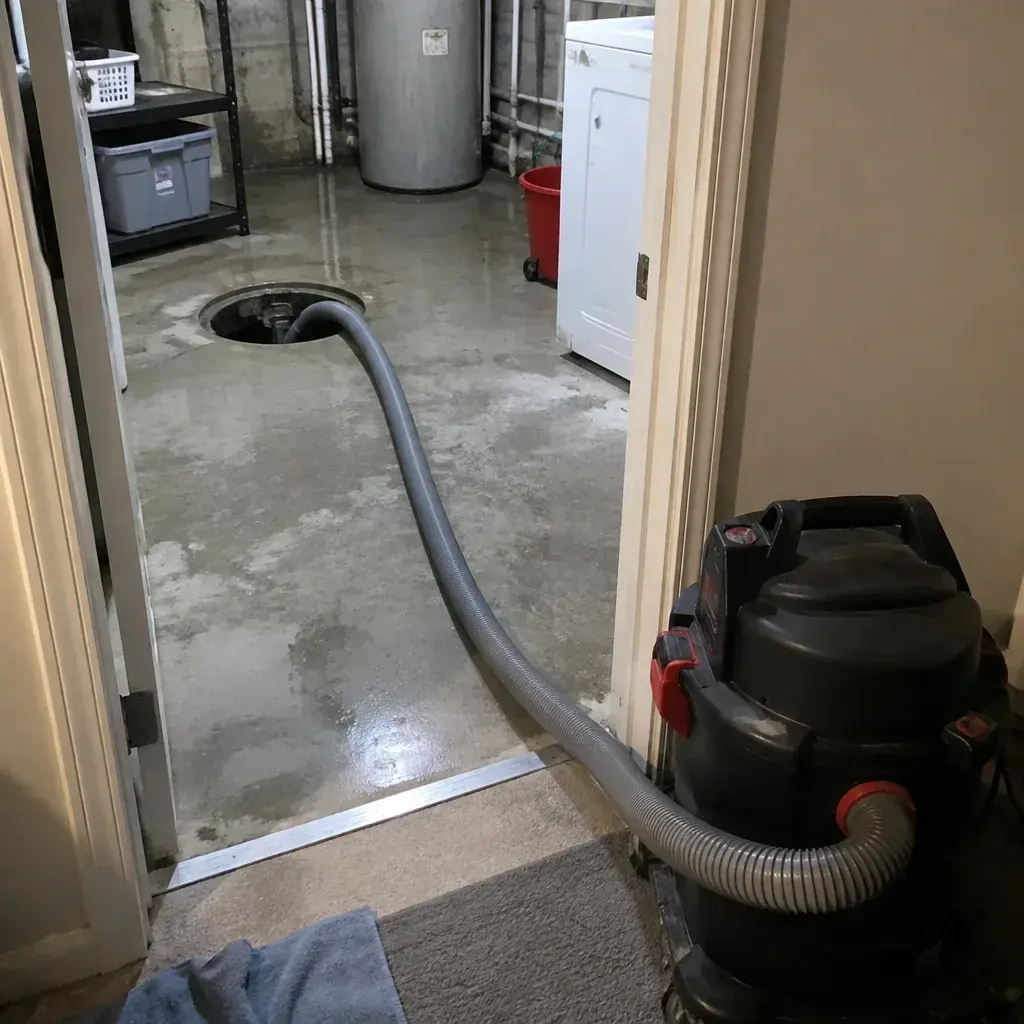
What could cleanup after sewage backup cost in the United States?
Start with the site findings, then compare the work each estimate assigns to them. There is no single national price for Sewer Backup Cleanup, and the service name alone does not show how much of a property is involved. The assessment should distinguish visible contamination from materials that may be affected behind finished surfaces. Ask for those tasks in writing. The estimate should distinguish cleaning building surfaces from handling affected belongings.
A backup confined to one easy-to-clean surface can call for a different response from sewage that reached absorbent flooring, wall sections, or several rooms. Those conditions affect what can remain and where cleaning, disinfection, or drying must happen. Contents may also need attention if they were exposed. Ask the assessor to connect each proposed task to a material or area observed, and to mark anything that still needs inspection. That makes proposals easier to compare without assuming similar-looking damage needs identical work.
Estimate Sewer Backup Cleanup Cost in the United States
Before arranging a visit, make a short record of what you have already noticed from a safe place: when the problem appeared, which rooms show signs, and whether the visible condition has changed. Note any sewage odor or visible residue from that safe location. If images or notes are already available, they may help describe the loss. The assessment can then examine the property and identify work that a brief description cannot settle.
Select an affected area and the cleanup tasks to view a planning figure. Use the figure as a starting point for discussing the work.
Treat the figure as a budgeting aid, not a quote. The assessment can change the scope based on sewage spread, materials that cannot be cleaned, and the extraction, disinfection, and drying required. Review the provider’s written work plan and ask what documentation may be needed.
Sewer Backup Cleanup Costs in the United States by Service
Read the service plan as a sequence. Ask whether contents and building materials are listed separately in the scope. Crews can clean and disinfect suitable surfaces, address lingering odor, and dry building materials after wet work is complete. Ask what each stage covers and what finding would change the plan. The proposal should note how progress is documented as each stage is completed.
| Cleanup | Guide range | Timing and added charges |
|---|---|---|
| Basement Sewage Cleanup in the United States | an estimated $7,000–$14,000 | Confirm timing and added charges |
| Toilet Overflow Sewage Cleanup in the United States | an estimated $1,200–$3,000 | Confirm timing and added charges |
| Floor Drain Sewage Cleanup in the United States | an estimated $1,200–$3,000 | Confirm timing and added charges |
| Crawl Space Sewage Cleanup in the United States | an estimated $3,200–$9,000 | Confirm timing and added charges |
How the amount of affected material changes cost
Start by tracing where sewage reached, then note which parts of the building it touched. Cleanup steps may need to be ordered so removal, treatment, and drying address contamination without spreading it. The plan may also include extraction, odor treatment, and moisture removal from the structure. A visible stain alone does not define the work. The assessment should follow contamination into connected spaces and identify what needs treatment or drying, since each added area can change the cleanup required.
| Affected area | What the cleanup includes | Estimated cost | Drying needs |
|---|---|---|---|
| Basement contamination footprint | Localized basement cleanup with selective material removal and treatment of exposed surfaces | an estimated $7,000–$14,000 | Schedule after material review |
| Crawl space affected section | Crawl space cleanup limited to the contaminated section and affected building materials | an estimated $3,680–$11,700 | Plan around crawl space access |
| Toilet overflow room scope | Toilet overflow cleanup in the affected room, with review of contaminated materials | an estimated $1,200–$3,000 | Confirm drying sequence before booking |
| Floor drain spill footprint | Floor drain cleanup for a bounded spill, including review of nearby affected materials | an estimated $2,880–$12,000 | Set timing after spill review |
Cost by Affected Room and Property
Building layers and access can change the labor involved. A floor covering may hide affected material below it, and a wall cavity can take more work to inspect and dry than an open surface. Tight work areas may also slow removal and treatment. Have the estimate identify any concealed condition that remains uncertain and explain how a later finding would affect the scope. This helps distinguish a defined task from work that is only possible after access improves.
| Property and materials | Estimated cost | What drives the estimate |
|---|---|---|
| Reachable single-room hard floor | an estimated $7,000–$14,000 | A shallow, reachable spill can be extracted before moisture reaches adjoining finishes. |
| Basement reached by interior stairs | an estimated $8,050–$18,200 | Stair access means carrying equipment between levels and protecting the route. |
| Floor area around drain and toilet | an estimated $9,450–$23,800 | Drain and toilet bases leave narrow edges that require careful hand cleaning. |
| Laundry units over affected flooring | an estimated $9,100–$21,700 | Fixed laundry units may need shifting to reach the floor behind them. |
| Shelving packed along basement walls | an estimated $8,750–$21,000 | Packed shelving can slow access while contents are moved for cleanup. |
| Moisture rising above floor level | an estimated $7,000–$14,000 | Moisture that wicks upward can extend work beyond the floor surface. |
| Backup affecting two connected rooms | an estimated $7,350–$16,100 | A second affected room may need its own drying equipment and checks. |
| Basement with built-in wall paneling | an estimated $7,700–$17,500 | Paneling or built-ins can limit access to surfaces needing inspection and drying. |
Six Things That Affect Cleanup Cost
Before comparing estimates, ask how the assessment determined what work belongs in the plan. The written scope should identify affected building components, the proposed removal or treatment, and any drying or odor work included. A clear scope notes what conditions could change the plan once work exposes materials hidden from view. Ask what assumptions the estimate makes about access, contents, or materials that have not been inspected. If you plan to seek insurance coverage, check your policy terms; coverage depends on the policy, and cleanup documentation may help explain the damage.
How Far the Backup Traveled
Start with how the affected materials respond to treatment. Sewage extraction removes liquid, but porous building components may still need removal; surfaces left in place require cleaning and disinfection before structural drying. The quote can reflect this sequence, including the effort to dry moisture remaining within the building. Odor treatment may be another part of the work when cleanup steps leave a lingering smell. These decisions turn on the condition of materials after contamination, rather than a standard package applied to every backup.
What the Sewage Reached
The volume of sewage and how far it spread can shape how much cleanup the space needs. Nonporous surfaces may be cleanable, while absorbent items such as carpet, padding, or wall material can hold contamination and may need to be discarded. The amount to remove and the surfaces left for cleaning affect handling and disposal work. An assessment helps sort materials by condition, so the proposed scope reflects what can be treated and what cannot reasonably remain.
Room to Reach and Work
The route workers use can change the effort involved. A crowded storage area, narrow stairway, or limited path to an affected room can slow removal and make it harder to carry contaminated contents out safely. The building’s condition matters as well: fragile finishes or damaged access points may require care during cleanup. The pros we connect you with can account for these working conditions when they assess the scope.
Cleaning, Disinfection, and Odor
Separate the cleanup quote from plumbing work needed to find or correct the source. The backup can affect building materials inside the structure as well as the drainage system. That work has a different scope because it concerns the drainage system rather than contaminated building materials. Resolving the line problem does not cover cleanup required indoors, and cleanup does not establish what caused the backup. Ask which tasks each estimate includes before comparing them.
Checking Moisture and Drying
Once the visible contamination is addressed, moisture in building materials needs attention. Odor treatment may be needed when sewage residue remains in porous materials. Drying equipment and follow-up checks can add work to the cleanup. The goal is to reduce residual moisture in affected parts of the structure before the job is considered complete.
Where Cleanup Ends, Plumbing Begins
When comparing a quote, check whether it covers work inside the building or also includes finding the cause of the backup. Sewer Backup Cleanup deals with sewage, contaminated contents, affected surfaces, and resulting moisture or odor concerns. A written scope should spell out the cleanup steps the licensed pros we connect you with will perform. Keeping the scopes distinct makes clear which work the restoration quote includes.
What Is Included and What May Cost Extra
Before accepting a proposal, ask for the included tasks and any possible additions to be written separately. One estimate might include disposal or odor treatment while another leaves those items outside its scope; the totals then do not describe equal work. Clarify whether drying and follow-up checks are part of the stated plan, and what conditions could add work after materials are opened. The pros we connect you with should explain the scope in terms you can compare.
| Service | Estimated price |
|---|---|
| Contamination assessment and service outline | Assessment price: $7,000–$14,000 |
| Assessment findings and written work plan | $7,000–$14,000 |
| Assessment and cleanup work plan | Confirm assessment fee before booking |
| Site review and documented scope | Written quote before booking |
| Initial Assessment and Written Scope | $7,000–$14,000 |
| Assessment and Written Cleanup Scope | Confirm added cost first |
| Assessment and Written Scope | $7,000–$14,000 |
What might a homeowners policy cover after a sewer backup in ?
Homeowners insurance may help pay for resulting damage when the policy language and facts of the loss qualify. The cleanup plan describes property work; it does not determine whether a claim is covered. Keep plumbing invoices apart from records for interior contamination cleanup. Keep a copy of the assessment and cleanup records for that conversation. Plumbing diagnosis or line repair remains a separate service from contamination cleanup.
Often claimable
- Interior damage caused by a sudden sewer backup when your policy includes applicable coverage
- A sudden sewer backup can also soak basement flooring and baseboards.
- Resulting damage from a sudden sewer backup, if your policy covers the loss.
- Resulting damage from a sudden sewer backup may qualify under your policy’s applicable coverage.
Usually not covered
- Damage from repeat backups tied to neglected upkeep, which some policies may exclude as maintenance-related.
- Gradual seepage damage, when policy terms exclude losses that build over time.
- Damage from recurring seepage or backups may be excluded when it develops gradually.
- Gradual seepage or recurring backups, which a policy may classify as ongoing damage.
- Gradual seepage or recurring-backup damage treated as ongoing rather than sudden loss.
The heading alone cannot tell you whether your loss qualifies. Some policies limit or exclude particular causes, while other policy terms may provide protection for sewer backup damage. Coverage depends on the contract and the facts the insurer reviews. Ask the insurer to point to the relevant wording and explain what documentation is needed. A cleanup assessment can describe observed damage and planned work, but only the insurer can determine how the policy applies to your claim.
Why the Lowest Cleanup Quote May Miss Key Work
A quote that looks smaller at first may leave tasks undefined, then change when the work area is opened or additional affected materials are found. Compare the assumptions behind each quote, including what materials the assessor could inspect. Also ask how disposal, access limits, or newly discovered conditions are handled. A clear scope makes it easier to see whether a lower figure reflects less work, an omitted task, or a different plan.
Check Every Task Behind the Estimate
Trace the listed work from sewage extraction through the condition of the structure afterward. A limited first scope may account for removing wastewater while leaving out contaminated material removal, cleaning and disinfection, odor treatment, or drying. Check which affected surfaces and materials the assessment names, and whether the proposal says what happens to each. This shows whether the work addresses contamination and remaining moisture. Confirm separately whether a plumber’s diagnosis or repair of the backup source is included.
Assess Materials Before Pricing Removal
Treat an estimate that depends on further findings as provisional until the assessment is complete. If inspection changes the proposed work, ask for a revised written scope that identifies the added area or task and its effect on the estimate before you agree to proceed. Keep the original and revision together so the difference is clear. That record lets you compare the actual change with the initial proposal instead of trying to reconstruct it from a phone conversation later.
Document Added Work Before It Proceeds
If the assessment identifies materials or surfaces missing from the original scope, ask for the proposed change in writing before authorizing the added work. The revision should describe the new tasks, why they are needed, and how they affect the estimate. Ask how the work will protect nearby belongings and keep unaffected areas separate. Keep the assessment and written changes with photos or notes of affected areas for your records.
Keep Sewer Repairs Outside Cleanup Pricing
Check whether the estimate stops at cleanup inside the structure. Removing sewage, contaminated materials, and moisture does not diagnose why the backup occurred or repair a sewer line. Ask who will assess the plumbing source and whether that work is excluded from the cleanup proposal. A plumber may need to handle diagnosis or repair separately, so keep those responsibilities clear when reviewing the written scope.
Set proposals beside the assessment and compare the work item by item. Check whether each names the same rooms and materials, explains what will be removed or treated, and states how drying is addressed. Note any charge, task, or condition left open for later discussion. If two plans differ, ask each provider to explain the reason against the site findings. Matching the scope first gives you a more useful basis for choosing than comparing totals alone.
Estimated Cleanup Costs Across the United States
A location by itself cannot establish the cleanup plan or its cost. Compare estimates by the work each one includes and the conditions found at your property. Area pages are listed for Florida, Alabama, Arizona, California, Colorado, Connecticut, Delaware, and Arkansas. If your place does not have its own page, it is connected through the same referral to the pros we connect you with. Use the area details to find the relevant page, then review the proposed scope before comparing estimates.
Your Questions, Answered
Is there a charge for having a cleanup professional assess the damage?
Assessment fees depend on the provider’s terms. Before scheduling, ask whether the visit is billed, what the review covers, and whether you would owe a fee if you do not proceed with the cleanup. A first look can identify visible damage, but it may not reveal every affected material. Get the fee arrangement in writing so you can compare it with the proposed cleanup scope.
If I hire the same provider, does the assessment fee come off my bill?
That depends on the provider’s billing policy. Ask whether any assessment charge is applied to later cleanup work, and request the answer in writing before you book. Check whether the credit has conditions, such as proceeding with a particular scope. This makes it easier to compare the full cost of arranging the assessment and cleanup with another provider’s terms.
What should a written cleanup scope tell me before I agree?
Look for the affected areas and materials, the work proposed for each, and any tasks the provider has excluded. The scope should make clear whether it includes sewage removal, material removal, surface cleaning and disinfection, odor work, or drying when those tasks are needed. Ask what observations support each task. That gives you a basis for reviewing the work before authorizing it.
What happens to the estimate if inspection uncovers more affected material?
Ask the provider to pause and explain any added work before it proceeds, unless immediate action is needed to address an active hazard. The revised scope should identify what was newly found, which tasks are changing, and how the added work affects the estimate. Keep the earlier and updated versions. That record helps you see how the proposed work changed as more of the damage became visible.
Why can two backups with similar water levels require different budgets?
A matching water line shows the visible high point, but not how much moisture remains in the structure after extraction. One backup may leave more moisture in building materials that need drying, while another may leave less. The assessment checks what still needs to dry and sets that work, which can change the budget even when the visible water levels look alike.
Could the cleanup scope change if additional affected areas are identified?
They can if items need to be moved to reach affected surfaces, or if contaminated belongings need separate handling or disposal. Ask which items the assessment includes and whether moving them is part of the proposed work. The answer depends on their condition and location. A clear scope helps distinguish cleanup of the structure from work involving personal belongings.
How might drying equipment or monitoring show up in the estimate?
When moisture remains in building materials after sewage removal and cleaning, drying may be part of the work. The scope should identify the areas expected to need it and explain what the provider plans to dry or monitor. Materials and the extent of moisture influence the work involved. A clear plan can identify when the affected areas will be checked again during drying.
When would odor treatment be listed as an added cleanup task?
The assessment may include odor treatment if the cleanup conditions call for it. Ask what source the proposed treatment addresses and whether the scope includes it or treats it as optional work. Odor work is one part of the cleanup plan; it does not replace removing contaminated materials or cleaning affected surfaces. A written explanation lets you understand why the task is included.
Can the estimate cover cleanup in several separate parts of my home?
One estimate can describe work across multiple affected areas. Ask for each area to be named, with its materials and proposed tasks shown clearly. This helps you tell whether a room needs removal, cleaning, disinfection, drying, or no listed work. If the assessment has not reached an area, ask that it be identified as unreviewed rather than assumed to be included.
Will cleanup pricing include finding and repairing the sewer blockage?
No. The cleanup quote can cover the sewage and building damage assessed at the property, but the blockage itself needs a separate plumbing diagnosis before repair work is defined. Check that the written scope lists cleanup tasks and identifies any sewer-line investigation or repair separately, so an unresolved pipe problem is not included as though its repair had already been assessed.
What should I compare when two cleanup estimates describe different tasks?
Line up the estimates by task and check that each describes the same affected areas. Check whether each estimate explains what happens if drying reveals additional damage. If one estimate groups tasks together or leaves a step unclear, ask what the provider intends to do and whether that work is included. Compare the written scope after those differences are explained, so you can see what each budget covers.
What cleanup details should I share when asking my insurer about coverage?
Ask your insurer how your specific policy applies before relying on reimbursement. Coverage depends on the policy and the circumstances, so a cleanup estimate cannot establish what will be paid. You can share the proposed scope, photos, and notes about affected materials with the insurer and ask what records it needs. Keep copies of estimates and cleanup documentation for your own files.
What Shapes a Cleanup Estimate
Ask how any change in the affected materials will be added to the written scope before work continues. It should explain which exposed materials will be removed, cleaned, disinfected, or dried, and identify any additional work as a separate item. You can also ask what records the provider supplies after the work. These details make proposals easier to compare because they show which tasks are included and which would change the scope.
Call (877) 386-0069