Start With the Full Work Sequence
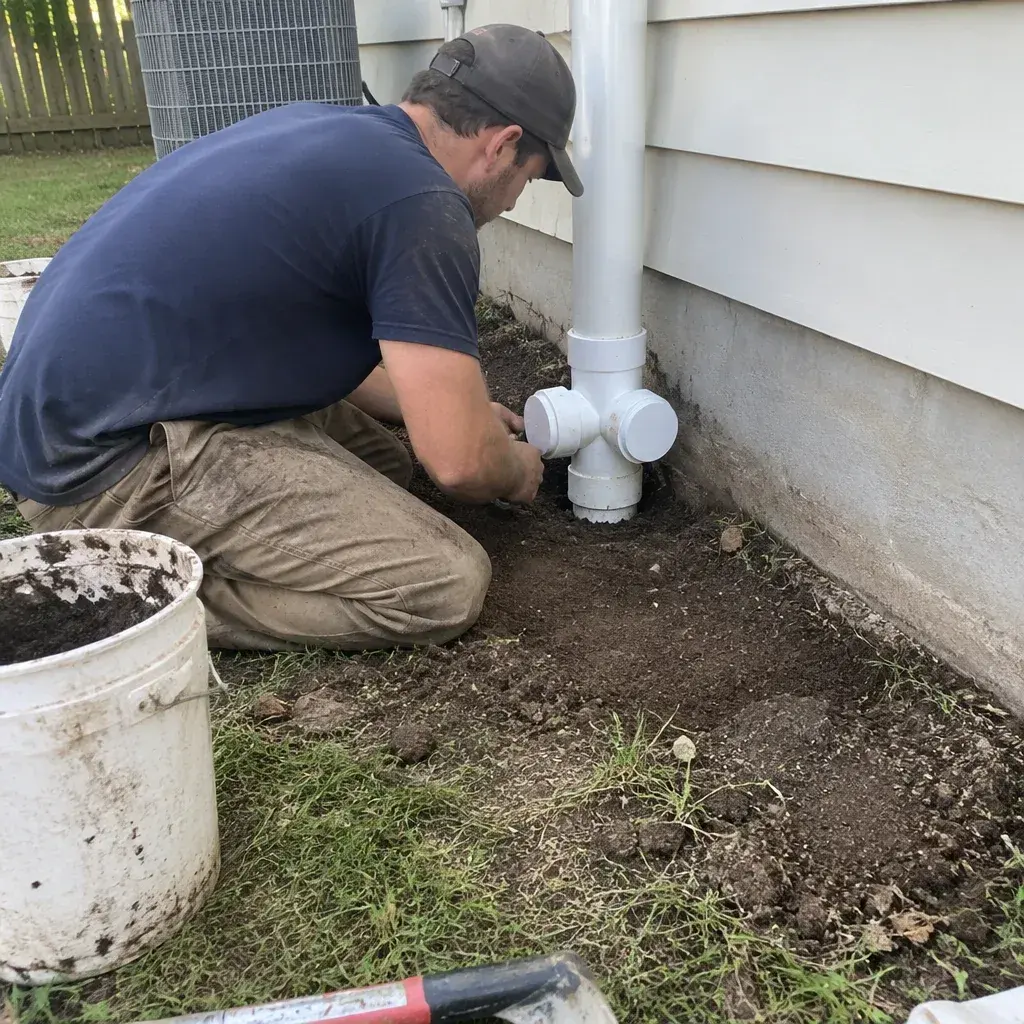
Begin with the full sequence: assessment, sewage extraction, any needed material removal, surface treatment, and structural drying. Professional sewage cleanup time has no single standard duration because each stage depends on what the inspection finds and how the building responds. Visible water removal marks progress, but it does not finish the schedule. Ask the provider to identify the stages planned for your property and explain which findings could add work or extend drying.
Begin with the scope of the work: a provider assesses the affected area and extracts sewage, then cleans and disinfects surfaces before drying the structure. That sequence gives you a useful way to understand the cleanup timeline, but it does not set a universal finish date. Ask whether affected contents are part of the assessment, along with the building surfaces and structure. Ask the cleanup provider which stages apply at your property and what conditions could change the estimate as work proceeds.
Assessment, Containment, and Removal
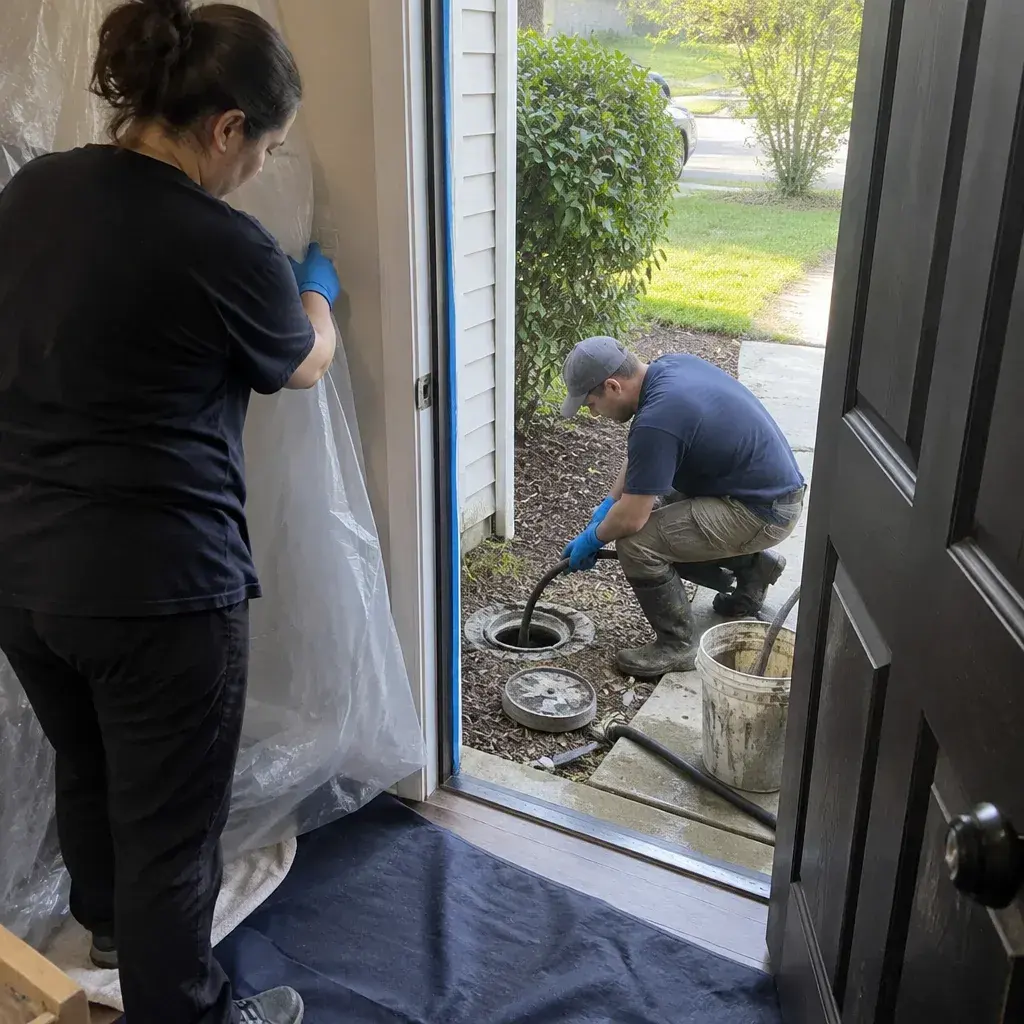
First, the provider assesses which areas and materials are affected, then sets up containment to separate that work from cleaner spaces. Sewage extraction follows; its pace depends on the amount and spread of contaminated water and debris. Treat this stage as the first schedule checkpoint: ask what the assessment found, what extraction covers, and whether the scope may change once exposed materials can be examined.
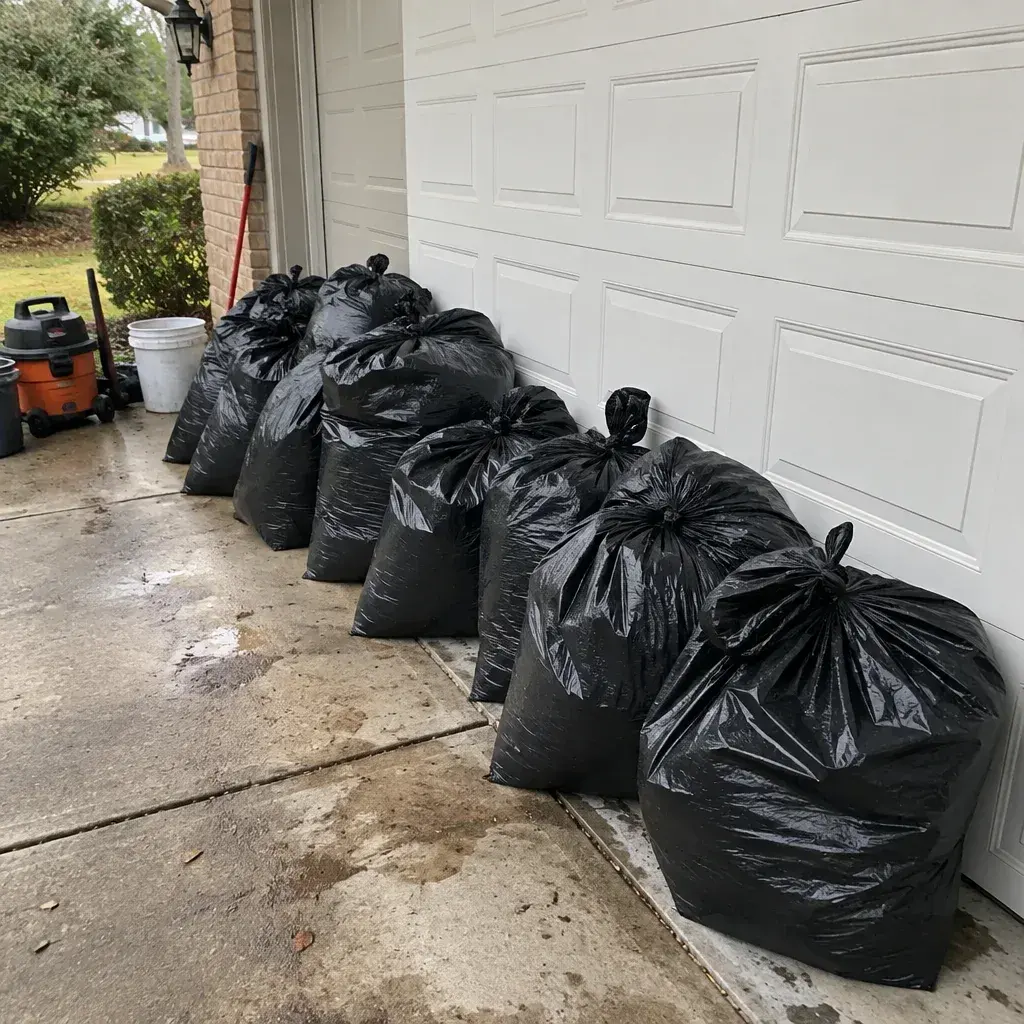
Next, the assessment guides what happens to affected contents and building materials. Items that absorbed sewage may require removal before the surfaces beneath them can be treated; other materials may remain for cleaning or drying. This decision can add removal and handling to the sequence. Ask which materials are slated for each option and whether uncovering additional contamination would alter the work plan.
Cleaning, Disinfection, and Odor Treatment
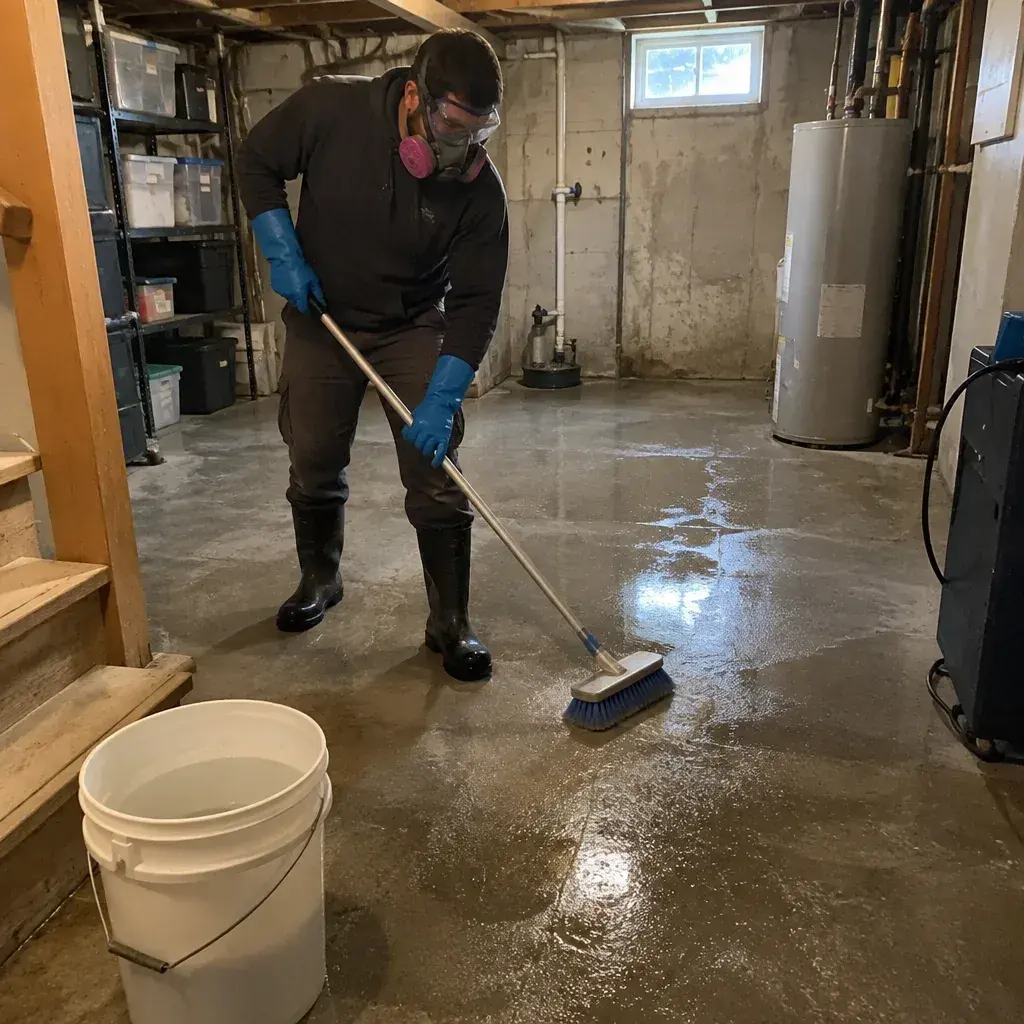
After extraction, the cleaning stage removes residue from affected surfaces so disinfection can follow. The work may involve different surfaces across the affected rooms, and each needs treatment suited to that material. This makes the size and variety of the area relevant to the schedule, even when there is no major removal work. Ask which surfaces are included and how the provider will track completion of cleaning and disinfection before moving the job into structural drying.
Odor treatment can add a separate task to the schedule. A lingering smell may call for attention after the main cleaning work, so ask whether the provider expects odor control to be part of this job or will decide after assessing the affected space. The answer can clarify whether that work is included in the current estimate or could add another step. Odor control addresses remaining smells; it does not replace removal, cleaning, disinfection, or drying.
Structural Drying and Schedule Changes
Structural drying has its own endpoint: affected building materials need to lose remaining moisture, even when the room appears tidy. Ask whether the plan accounts for concealed areas, in addition to the materials you can readily see. That gives you a clearer basis for understanding this stage of the schedule than the visible condition of a floor or wall. Drying progress can shape the cleanup timeline after extraction and surface treatment are finished.
The schedule can change if assessment shows sewage reached areas beyond the first visible spot. Each additional area adds work to plan, and access may need to be arranged so affected contents do not obstruct treatment. Ask the provider what findings could revise the timeline and how you will hear about a scope change. That conversation makes the estimate easier to follow as the job develops, without assuming every property needs the same sequence or amount of work.
Dealing with a sewer backup in your home?
Check where the water surfaced and whether it reached flooring edges or wall bases; the affected boundary helps a provider assess which materials need attention. This site has dedicated pages for Florida, Delaware, California, Arizona, Alabama, Connecticut, Arkansas, and Colorado. In other covered areas, requests use the site’s referral route. Call (877) 386-0069 to ask which pros we connect you with can assess your location, when they are available, and whether a visit charge applies. A cleanup provider can outline the indoor work; a plumber should diagnose and repair the sewer source.