Check the Water Source First
Check the source before deciding what restoration means. Water from a broken supply line is generally handled as a moisture problem; water that may include sewage calls for contamination controls as well. You cannot classify a backup by color or odor alone. Tell the cleanup professional what you observed and ask how possible sewage contact changes the work plan. The site has pages for selected places; in other covered locations, the same referral connects you with pros.
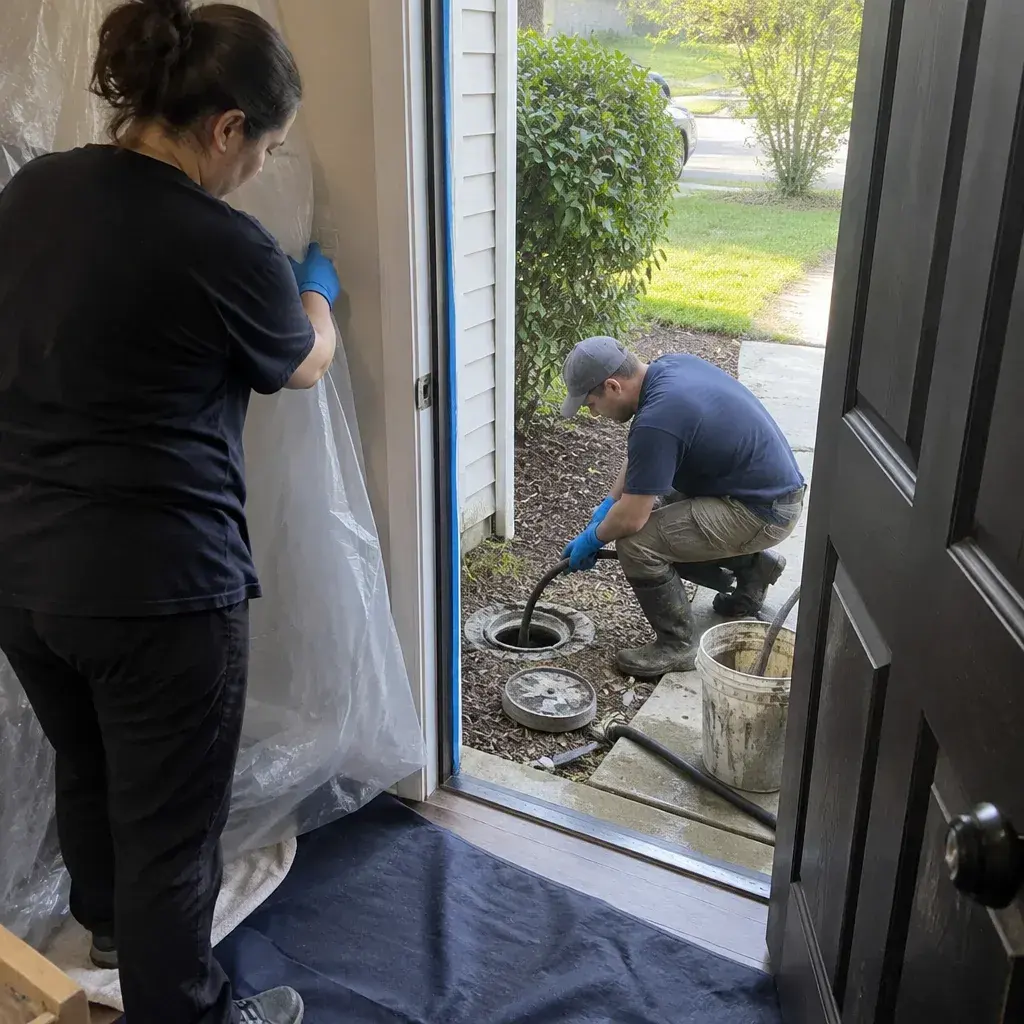
Check whether water may contain sewage first: that turns sewage vs. water damage from a drying job into contamination control. The pros we connect you with assess where it traveled and how to keep it from reaching clean spaces. Their plan accounts for surfaces needing attention, materials that cannot be salvaged, and drying once the affected structure has been assessed. Porous belongings can hold contaminated water, so they may need attention apart from the building itself. Keeping clean areas separate from affected rooms can help limit the spread of residue during cleanup. Ask how uncertainty about the source changes the work plan.
Review Materials by Exposure
Next, look at what the water touched. With a clean leak, some wet building materials may be dried and kept if their condition permits. Sewage can soak into carpet backing, padding, insulation, and other absorbent items, where surface wiping does not reach the contamination. Those materials may need to be taken out and discarded. Ask how each affected material will be evaluated, since the decision depends on where the sewage traveled and how deeply it penetrated.
Belongings need their own review alongside floors and walls. A cardboard box, fabric item, or stored product may hold contamination differently from a hard, intact surface, so one disposal rule may not fit everything in the room. Ask the professional to identify what will be removed, what may be cleaned, and what requires more assessment. An itemized record with photographs can help you track decisions and document damage if you later discuss an insurance claim.
Treat Surfaces Before Drying
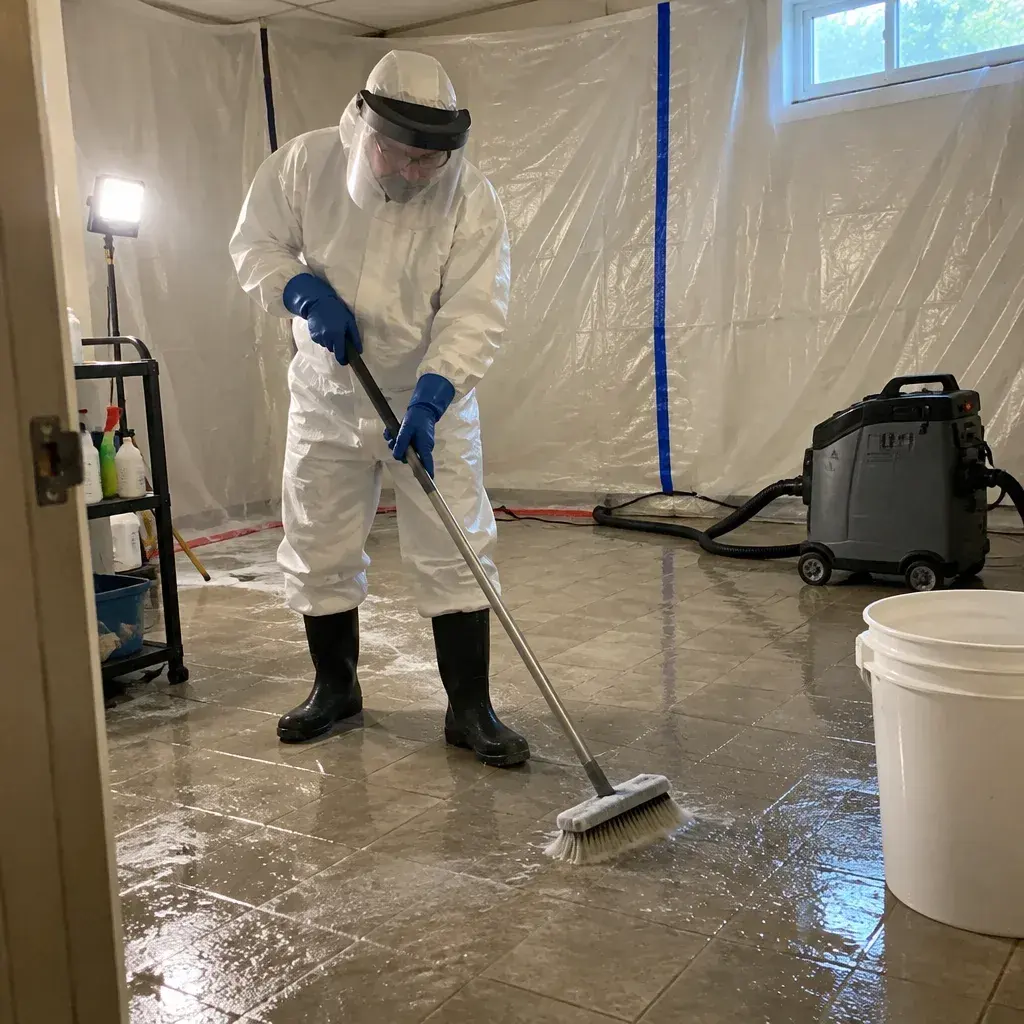
After removal, the remaining surfaces need a treatment suited to their material and the product being used. Disinfectant is not a shortcut for skipped cleaning: residue must first be addressed, and label directions govern application, safety measures, and contact time. Routine water restoration can focus on moisture management when contamination is not suspected. In sewage work, the cleaning stage has a sanitation purpose as well, so ask the professional to explain how it fits into the sequence.
A lingering sewer odor also deserves a cause-based response. Fragrance or an odor product may mask the smell without removing the material that produced it, so treatment should follow extraction, removal, and surface cleaning. Ask what source of odor remains and what step is intended to address it. This helps you distinguish odor control within sewage restoration from ordinary drying, where a smell may instead point to trapped moisture or another unresolved condition.
Coordinate Drying and Plumbing
Drying belongs after contaminated debris is removed and affected surfaces have been cleaned and treated. Equipment can then draw moisture from building materials that remain, helping limit additional damage while the structure dries. Starting air movement before those steps risks disturbing residue or drying over a surface that still needs attention. Ask which parts of the structure will be monitored and how the professional will decide that drying is complete.
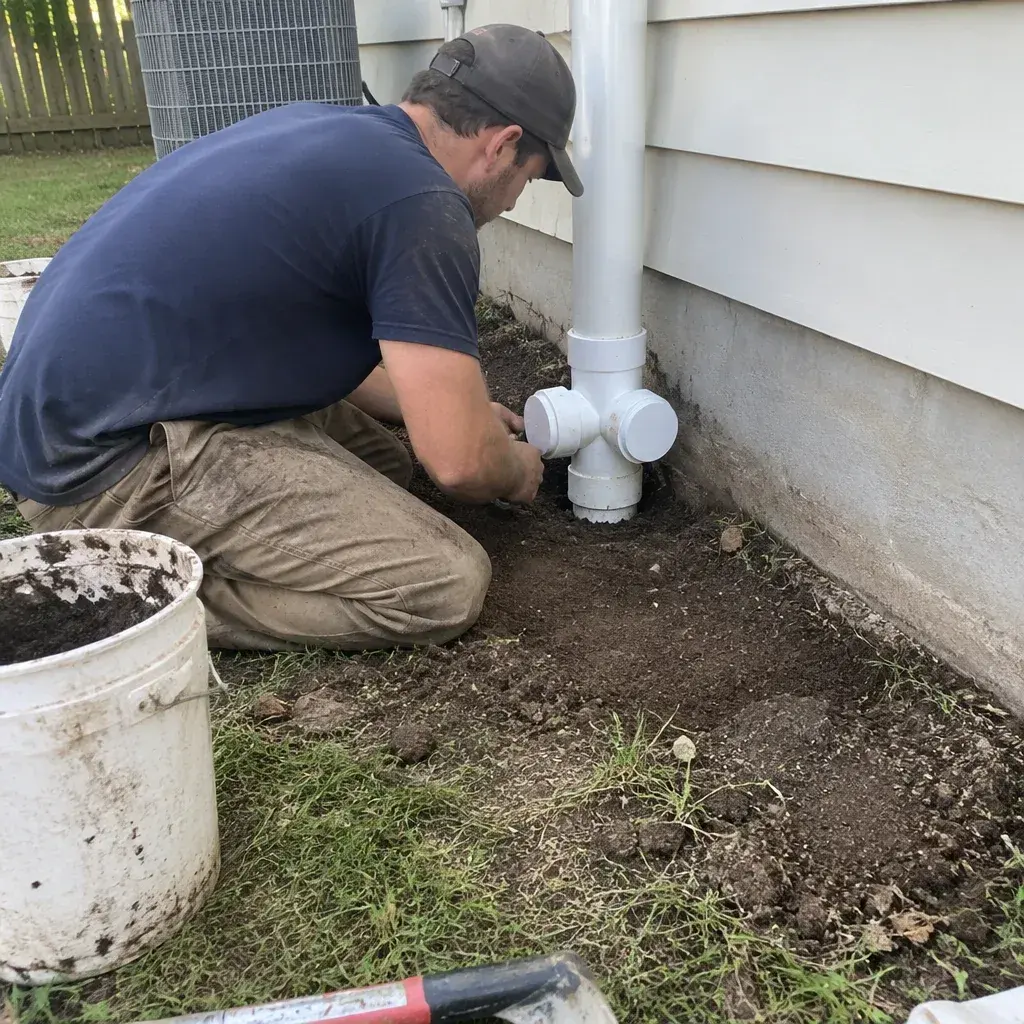
Cleanup inside the building and repair of the sewer line are separate tasks. The backup's path through the building can help identify which areas and materials need attention. The work plan should also make clear which materials are removed, how disposal is handled, and what remains for drying. Those decisions affect labor and material needs, so ask for them to be described before comparing estimates.
Dealing with a sewer backup in your home?
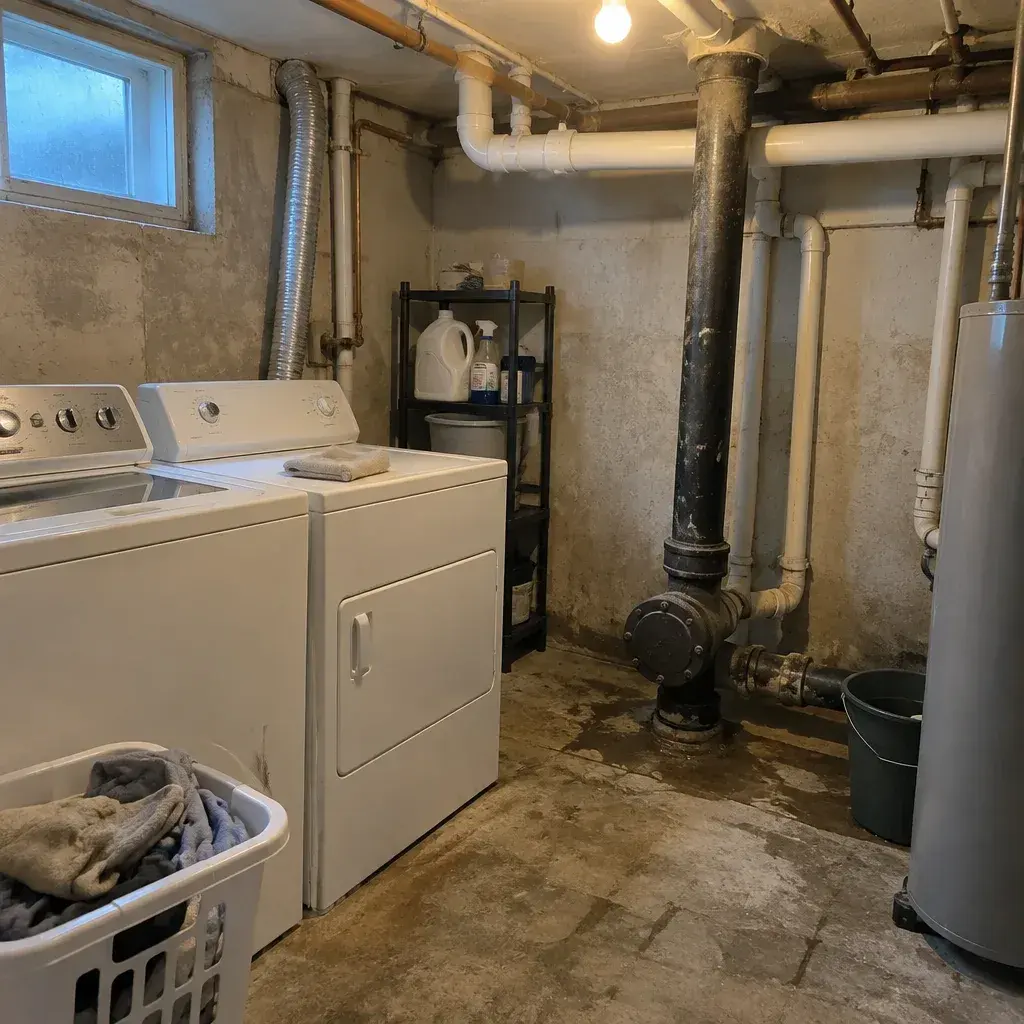
Check where the water surfaced and whether it reached flooring edges or wall bases; the affected boundary helps a provider assess which materials need attention. This site has dedicated pages for Florida, Delaware, California, Arizona, Alabama, Connecticut, Arkansas, and Colorado. In other covered areas, requests use the site’s referral route. Call (877) 386-0069 to ask which pros we connect you with can assess your location, when they are available, and whether a visit charge applies. A cleanup provider can outline the indoor work; a plumber should diagnose and repair the sewer source.