Retail Cleanup
Retail Response Planning
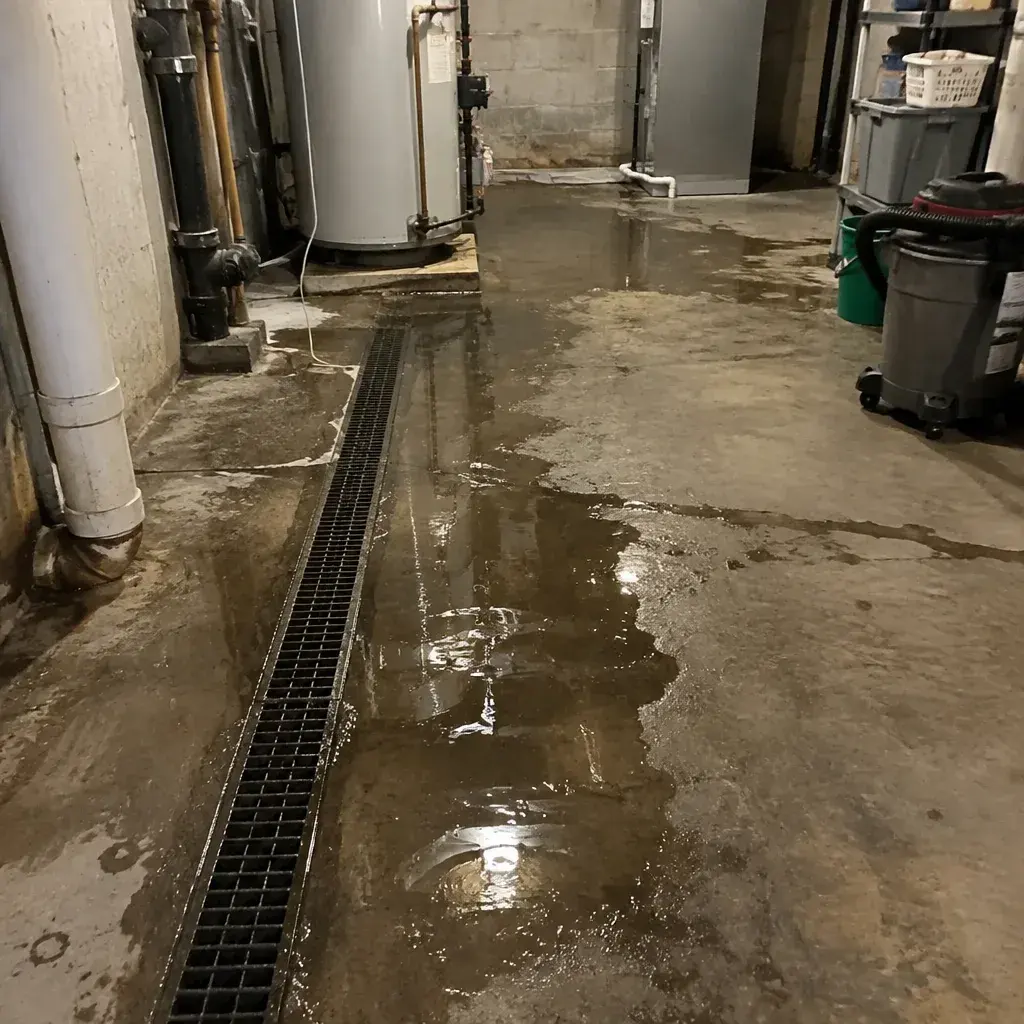
Get guidance from the licensed pros we connect you with for school sewage cleanup planning.
School sewage cleanup starts by restricting access and mapping affected classrooms, restrooms, and shared areas. The assessment guides decisions about contents and building materials; cleanup can include sewage extraction, removal, cleaning, disinfection, odor treatment, and drying. Room and activity records help guide scheduling and later review.
When a school has a sewer backup, first identify which learning and shared spaces are affected, then set boundaries and plan how people can move around them. Next, assess contents and building materials, coordinate work with the school schedule, and record findings for facility decisions. School sewage cleanup can involve different needs in a classroom, restroom, or common area. The commercial sewage cleanup cost can shift with the rooms involved, materials that need attention, and access constraints.
Start a timeline with the first report, the person who noticed the problem, and any changes staff observed afterward. For a classroom backup, note whether desks, teaching supplies, or nearby storage were in the area, without moving items through unaffected rooms. Photos and brief notes can help show where the incident reached and support later claim review. Keep observations factual, and distinguish what staff saw from what still needs professional assessment.
Map how each space supports the school day before deciding what can be closed. A restroom restriction may affect accessible routes, while a common-area closure can change arrival, lunch, or dismissal plans; a classroom closure may require a temporary room assignment. Record those operational effects alongside the physical locations. This gives administrators and facilities staff a shared picture of what the cleanup plan must accommodate.
Keep students, staff, and visitors from entering the sewage-affected area while it is assessed. Sewage can carry harmful contaminants, and people may spread residue by walking through it or touching contaminated items. Use a clear boundary and communicate which doors or routes are unavailable. The pros we connect you with can assess where separation is needed so school activity stays apart from the work zone.
Choose a work period after checking the school calendar, building access, and activities that use the affected rooms outside regular classes. Confirm who can authorize entry, how custodial staff will reach necessary areas, and whether deliveries or after-school programs rely on nearby routes. A schedule that accounts for those dependencies helps limit disruption while leaving room for assessment and cleanup tasks to proceed safely.
| Impact Record | Record Focus | Record use |
|---|---|---|
| Instruction rooms | A classroom backup may interrupt nearby lessons | Note room use, affected materials, and temporary arrangements |
| Restroom service | Closures shift demand to remaining facilities | Map available restrooms and routes to them |
| Shared-use rooms | Gatherings may overlap with contained work zones | Mark boundaries against scheduled school activities |
| Hallway circulation | Barriers or equipment can narrow student passage | Identify alternate paths and supervision points |
| School-day transitions | Passing periods bring groups near work activity | Plan access around quieter movement periods |
| Extended programs | Care or activities may continue after dismissal | Record room handoffs and custodial access needs |
| Contents inventory | Books, electronics, and furniture need assessment | Track items by room and note planned action |
| Decision log | Choices can shape reopening and future maintenance | Record rationale, responsible role, and open questions |
Ask for an assessment that accounts for items and surfaces beyond the visible wet area. Books, classroom supplies, upholstered furniture, cabinets, and lower wall sections may have different exposure and cleaning needs. An itemized inventory can identify what may be cleaned, what may need removal, and what requires drying. Note the room and school function connected to each item so decisions are easier to review.
The commercial sewage cleanup cost can rise when contamination reaches porous contents or finishes that are difficult to access and may need removal. A hard surface and an absorbent floor layer do not respond the same way, so the assessment should explain the proposed handling for each. Keep the cost discussion tied to documented rooms, material conditions, and access requirements rather than assuming every space needs identical work.
Once the affected area has been cleaned, moisture may remain inside building materials even when surfaces look dry. Drying equipment can occupy classroom or corridor space and may affect when furniture, supplies, or normal activities can return. Track which rooms need drying and what nearby operations could be affected. The cleanup professional can explain what conditions need review before the space resumes its intended use.
School building cleanup is guided by the assessment: sewage is extracted, materials that cannot be safely restored are removed, and suitable surfaces are cleaned and disinfected before drying. The work should account for the use of each space and keep affected items from being carried into clean areas. If the backup source remains uncertain or needs repair, a plumber handles that diagnosis separately from indoor cleanup.
If an unpleasant smell continues after visible contamination has been addressed, record where it is noticeable and whether it is limited to one room or shared across adjoining spaces. That pattern gives the cleanup professional useful context for deciding whether further odor treatment is appropriate. Disinfectants should be applied according to their labels, including stated contact times and safety directions.
Build a facility review file around the incident’s operational and physical effects: room locations, observed conditions, affected contents, photographs, and notes about closures or schedule changes. Keep claim-related material records together, but do not treat documentation as a promise of coverage; policy terms govern that decision. A clear account can also help facilities teams compare what happened with future maintenance and continuity plans.
Share information according to each group’s role. Administrators need to understand which activities or room assignments may change; facilities staff need the site map, access boundaries, and assessment findings; teachers need clear direction about spaces and materials they should avoid. One current version of the information reduces conflicting instructions as the school coordinates cleanup and plans around unavailable areas.
Before arranging a site review, list each affected room beside the classes, restroom access, or shared activities it serves. Add observed conditions, nearby contents, times when the space is occupied, and routes that must remain open. Then review access controls and assessment needs with an independent cleanup professional. This gives the discussion a practical starting point for sequencing the work around school operations.
This national site has location pages for service areas in Alabama, Arkansas, Arizona, California, Colorado, Connecticut, Delaware, Florida, and other states identified on the site. Areas without their own page are connected through the same referral. Before planning a visit, confirm the school address, permitted entrance, and campus access rules with the pros we connect you with; institutional access arrangements can differ by site.
For commercial sewage cleanup cost, record each room’s usual use, closure window, and displaced activity. A classroom backup may move instruction to another room; a restroom closure can change travel routes, while a shared-area closure may affect gatherings. Tie photos to room names and note which finishes or contents need review. These details give facility decision-makers a consistent basis for comparing estimates, discussing claim review, and planning future use. Work windows, affected materials, and the area involved can all change the scope and cost.
Lingering odors can signal that wastewater has affected nearby materials, so cleanup may include addressing those surfaces and belongings.Birmingham AL, Homewood AL and Irondale AL. Check whether distance affects the trip charge, and ask the pros we connect you with to confirm they can reach your address.
What occupies the affected space can shape how cleanup is planned. $7,000–$14,000 can help frame a budget. A retail floor with stock in the affected zone may need more material handling than an open office.At a commercial site, the rooms reached, connected work areas, and affected fixtures can change which tasks are needed and how the job is priced. On your call, describe where sewage traveled, what equipment or contents were exposed, and which spaces must stay accessible; that helps shape a site-specific work list.The pricing guide explains how cleanup costs are assessed, while the commercial overview describes how the pros we connect you with coordinate commercial sewer backup cleanup.
Retail Response Planning
Multi-Site Kitchen Scope
Guest Area Cleanup
Draw the restricted zone on the school floor plan, then mark usable entrances and routes around it. Check that the route from classrooms to open restrooms does not pass through the work area. Tell staff which doors are unavailable and update directions if the boundary changes. Keep students, staff, and visitors out of sewage-affected spaces while the assessment and cleanup take place.
Commercial sewage cleanup cost varies with the affected rooms, the materials requiring treatment or removal, and the time available for work. The licensed pros we connect you with can discuss how the affected areas shape the cleanup plan. Restricted access hours can also affect how work is scheduled. A room and materials inventory helps clarify what is included in an estimate.
Have each item reviewed according to its material and the extent of contact. A sealed desk surface may be treated differently from porous books, paper supplies, or upholstered seating. Keep the contents list separate from the assessment of floors, walls, and other building materials. The reviewer can identify which items may be cleaned and which may require removal.
Keep room-labeled photos, an inventory of affected contents and finishes, and notes on closures and activities moved elsewhere. Record the assessment decisions and the work proposed for each space so facility decision-makers can compare claim information and plan future use. Retain these materials with the school’s facility records; coverage depends on the policy.
Prepare a room-by-room activity and materials list, then review access controls and assessment needs with the pros we connect you with.
Call (877) 386-0069