Retail Cleanup
Retail Response Planning
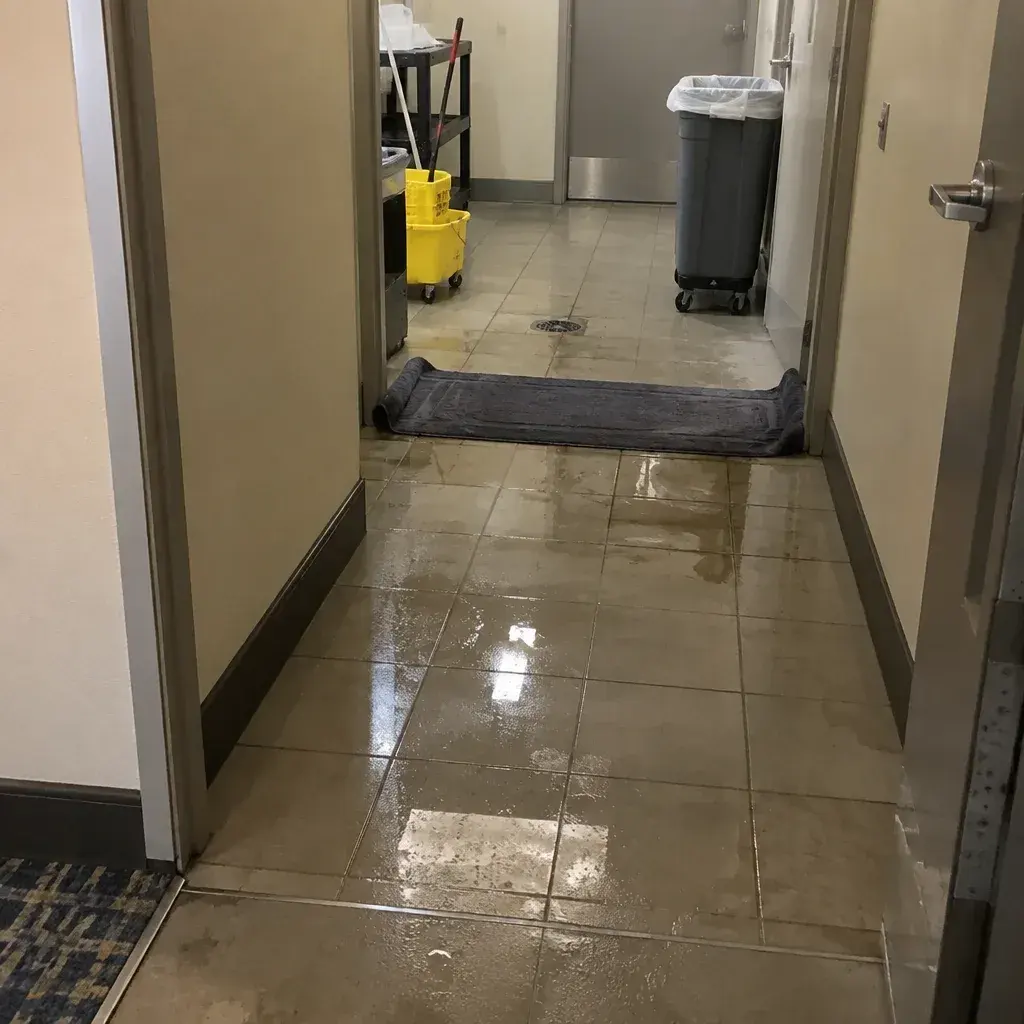
Plan hotel sewage cleanup around affected rooms, shared areas, guest movement, and the work sequence.
Hotel sewage cleanup begins by identifying affected guest rooms and shared spaces, then containing the work area and removing sewage. Materials are assessed for removal or treatment; surfaces are cleaned and disinfected, and damp building materials are dried while hotel staff manage access and room assignments.
Start by locating the guest room backup and checking how far sewage may have traveled, then identify nearby spaces that guests and staff use. That order helps you set boundaries before planning work around hotel operations. Hotel sewage cleanup addresses contamination inside the building, with assessment guiding what must be removed, cleaned, disinfected, or dried. The location pages identify places with dedicated pages; elsewhere, the same referral connects you with independent pros. This page explains how you can plan work across rooms and common areas.
Keep guests and staff out of areas that have not been assessed, and plan how workers can reach them without crossing clean guest routes. A service corridor or back-of-house entrance may offer a better path for equipment and removed materials than a busy lobby. You can coordinate elevator access, housekeeping pauses, and guest notices with the cleanup schedule. Keep a record of access decisions and room availability as the cleanup progresses.
Note when the backup was discovered and what staff observed before the area was disturbed. Add notes about room use, nearby shared facilities, and doors that may serve as boundaries. Before belongings move, photograph visible conditions and list affected contents by room, distinguishing guest property from hotel furnishings when known. These notes give you and the cleanup professional a common reference for planning access and discussing which areas need assessment.
Give each guest room a current operating status, such as held for assessment, under cleanup, or ready for review. Assign one person to update that status and relay it to the front desk, housekeeping, and the staff arranging room assignments. If an adjacent room is still being checked, keep it unavailable until its condition is understood. Clear room information helps prevent a booking change or housekeeping visit from sending someone into a restricted space.
Treat hallways, elevator landings, meeting rooms, and staff passages as locations to assess in their own right. People and equipment can carry contaminated material along these routes, and a shared passage may connect rooms on both sides of a work area. Coordinate cleaning access with deliveries, linen movement, and guest traffic. If a route must close, identify another path before work begins and tell the teams whose duties depend on it.
| Hotel Locations | Area Status | Area Status |
|---|---|---|
| Guest suites | Trace sewage reach into adjoining rooms | Assess contents and absorbent finishes first |
| Guest corridors | Limit passage through contaminated sections | Check flooring and room thresholds nearby |
| Elevator landings | Reroute guests around affected floors | Inspect shared surfaces along the route |
| Reception area | Move guest service beyond containment | Review nearby flooring and furnishings |
| Dining spaces | Keep meal traffic clear of work | Assess affected surfaces before service resumes |
| Laundry facilities | Separate linen movement from affected zones | Check equipment and stored textiles |
| Event rooms | Shift scheduled use around cleanup phases | Review flooring, furnishings, and access |
| Staff passages | Set a route outside contained areas | Check that supplies avoid contaminated paths |
Before contents are handled, note their condition and location, and identify who can authorize moving hotel property or belongings left by a guest. Upholstered furniture, carpet, and other absorbent items may hold sewage where surface wiping cannot reach it. The assessment helps determine whether each material can be cleaned or needs removal. Keep any removed items out of clean storage and guest routes while hotel staff resolve ownership or handling questions.
Agree on who can release rooms, approve temporary closures, and communicate changes to guests and staff. The facilities manager may coordinate building access while front desk staff manage room assignments and housekeeping adjusts its work. Give each role the same map and current restrictions so a change on one floor reaches the people affected by it. A short handoff at shift change can also keep an open work area from being treated as available.
Plan the sequence around the way the hotel functions. A room block beside a laundry route, for example, may need a different access window from an isolated room near a service entrance. Ask the cleanup professional what access, utilities, or temporary closures each phase requires, then compare that with arrivals, events, and essential staff movement. The plan should make clear which hotel decisions are needed before work reaches each area.
Assessment should look beyond the visible floor and include surfaces, furnishings, and adjoining spaces that may have contacted sewage or tracked material. The findings guide what can remain and what needs removal, cleaning, or drying. Porous materials may need to be discarded if contamination has soaked in. Keeping the observations tied to specific rooms and shared areas helps you understand how the cleanup plan applies across the property.
Once the work area is controlled, the cleanup professional can extract sewage, remove materials that cannot be adequately cleaned, and clean and disinfect remaining affected surfaces. Odor treatment may follow as needed, and building materials that retain moisture are dried. Review each affected material before deciding whether it can remain in place. The plumbing source and interior cleanup are separate work scopes, so keep the hotel’s schedule focused on the areas being restored.
Before returning a room or shared area to use, review whether the planned work is complete and whether affected materials have been cleaned or removed as appropriate. Check that surfaces are dry enough for their intended use and that the area no longer needs restricted access. The cleanup professional can explain the conditions they assessed. Hotel staff can then update room availability and housekeeping instructions to match the area’s current status.
A hotel may be able to keep suitable areas operating while cleanup proceeds in a separate zone. That depends on whether boundaries hold and guests can reach open services without passing through the work area. Review the proposed phases against food service, event spaces, and staffing needs, then adjust operations if routes or separation change. If contamination is found beyond the first boundary, pause plans for nearby areas until they are assessed.
When you speak with an independent cleanup professional, share the floor plan, room status, and known operational constraints. Ask how they will assess connected spaces, control access, and sequence work around hotel use. Clarify what each phase would require from your staff, including rooms or routes that need to close. Those answers help you judge whether the proposed approach fits the property’s layout and keep handoffs clear as work moves between areas.
A useful next step is to mark the rooms and common areas reported or observed, then discuss a phased assessment and cleanup plan with an independent cleanup professional. Include the routes guests and staff use, along with any contents that may need review. Ask what findings would change the work boundary or delay a room’s return to service. That conversation gives you a practical basis for coordinating hotel operations while sewage cleanup proceeds.
Commercial sewage cleanup costs at a hotel reflect the scope of contamination and how work can move through an occupied property. A backup confined to a guest bathroom may call for a different sequence than sewage reaching a corridor or shared restroom used throughout the day. Assessment may identify contents or porous finishes for removal, surfaces for cleaning and disinfection, and building materials that need drying. The operating plan also matters: room closures, protected guest routes, and separate work periods can change labor and equipment needs. Map each affected space before comparing plans.
Check the linked communities for places with a dedicated page; if your location is not listed, the same referral can still connect you with pros, includingAuburn AL, Birmingham AL and Homewood AL. Ask when an assessment fee applies, including whether it is charged if you decide not to proceed with cleanup.
For a commercial property, budgeting often begins with a cleanup attendance, then changes with the floor area and whether drying or follow-up visits are needed. $7,000–$14,000 offers a planning reference. One affected back room can require less work than a site with several areas needing cleanup.At a commercial site, the rooms reached, connected work areas, and affected fixtures can change which tasks are needed and how the job is priced. On your call, describe where sewage traveled, what equipment or contents were exposed, and which spaces must stay accessible; that helps shape a site-specific work list.The pricing guide explains how cleanup costs are assessed, while the commercial overview describes how the pros we connect you with coordinate commercial sewer backup cleanup.
Retail Response Planning
Multi-Site Kitchen Scope
Office Cleanup Planning
Close access to contaminated rooms and shared spaces, then post clear directions at decision points such as elevator lobbies and corridor junctions. Ask the front desk to assign guests routes that bypass the work boundary, and have housekeeping adjust cart paths and service timing. Keep staff and guests out of the cleanup zone while it is assessed and treated. Update signs and directions whenever the boundary or available route changes.
Use a dated location log that links each affected room or shared area to its observed condition, contents, and operational impact. Note when the space became unavailable, any changes to its boundary, and which rooms or services were affected nearby. Photos can show how conditions changed over time. Keep guest information separate from the property record, and use consistent room labels so facilities and front desk staff can coordinate assignments.
Consider a room or shared area for use only after its cleanup assessment and planned treatment are complete. Review whether affected contents and finishes were handled, surfaces were cleaned and disinfected, and damp building materials were dried. Check that the work boundary can be removed without exposing guests or staff to remaining contamination. Coordinate the access decision with the hotel manager and cleanup professional, and record which spaces remain unavailable.
Map the guest room backup and affected corridors or shared facilities first, then keep guests and staff out of those areas during assessment and cleanup. Check whether the blockage or damaged line is still feeding sewage into the building before cleanup begins. Record affected rooms and contents as work proceeds. Review each space’s condition before reopening it.
Map affected rooms and shared areas, then review a phased assessment and cleanup plan with an independent cleanup professional.
Call (877) 386-0069