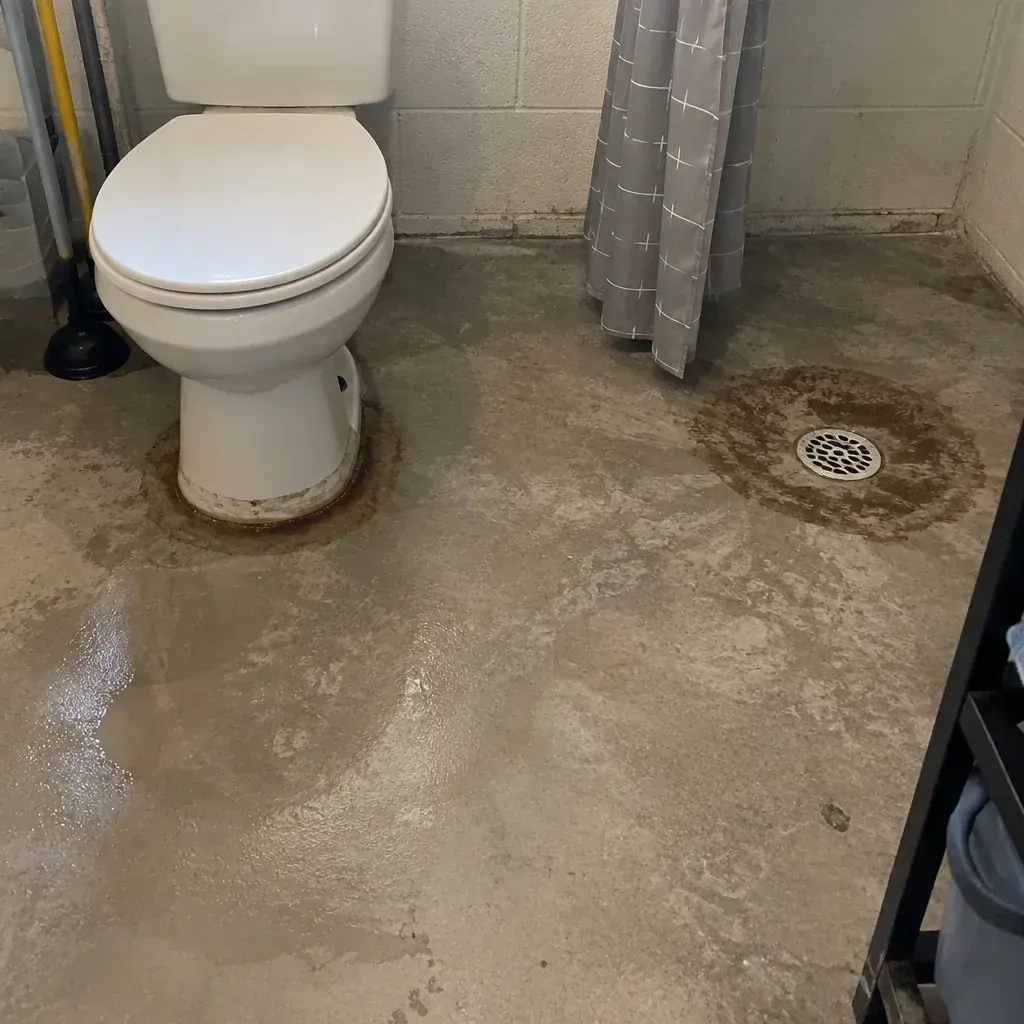
How Sewer Backups Affect Your Home
Alabama has a humid subtropical climate, with rain throughout the year and summer thunderstorms. A plumber can consider recent rain alongside the condition of the drainage line when tracing a backup.
Review the listed coverage information to see whether a dedicated page applies to your request. Outside places with their own pages, requests connect through the same referral.
Location pages identify places where this site has dedicated information; they do not establish that every address there is served. For properties elsewhere in the United States, the same referral path applies, and the pros we connect you with can check availability using the property’s location.
Sewer Cleanup Overview
- ACCESS
- Keep people and animals out of rooms where sewage has appeared until cleanup professionals assess the space.
- HAZARD
- If water may be near electrical equipment, leave the area and avoid touching switches, appliances, or panels.
- NOTES
- The plumber's findings help determine whether clearing or a line repair is needed.
- CONTACT
- Indoor cleanup and diagnosis or repair of the sewer line are separate parts of the response.
- SOURCE
- A plumber can trace and repair the cause; cleanup work addresses sewage and damaged materials inside the building.
- CLEANUP
- Alabama’s humid subtropical climate brings rain year-round and summer thunderstorms. Those conditions provide regional context, but they cannot explain a backup at a specific property; have a plumber inspect the source when sewage appears indoors.
- COST FACTORS
- an estimated $2,700–$6,800
Other Types of Water Damage
Sewer-line repair restores the pipe or clears an obstruction so wastewater can flow through the line. Sewage backup extraction deals with wastewater that has already entered the building, so completing indoor cleanup alone does not restore drain function. Check the service record for the work location: room names and affected contents point to indoor cleanup, while a cleanout, drain run, or sewer segment points to plumbing work. If both locations appear, ask for a completion note for each.
Understanding Sewer Backup Cleanup Work
During the initial walk-through, the cleanup team traces the visible path of wastewater and checks nearby floor edges and wall bases. They set a boundary around the affected work area and plan a route for equipment and debris that avoids clean rooms. That separation helps limit transfer as the interior work proceeds.
A plumber investigates the drainage path to locate a blockage, damaged pipe, or other source of the backup. Ask the plumber to explain the identified source and the repair before work begins. That work addresses the source; indoor cleanup handles sewage and affected building materials.
One visit can fit when the backup has ended and affected materials can be assessed and handled together. If sewage reached absorbent building components, their removal can turn cleanup into staged work. Contaminated belongings may need separate handling from building materials during cleanup.
IMMEDIATE CLEANUP AND FOLLOW-UP SERVICE OPTIONS
| Cleanup Services |
What to Do Next |
|---|
| An early, contained sewer backup | Sewer backup cleanup |
| Repeated sewage backup in the same area | As needed |
| Contamination across multiple surfaces and materials | Remove contaminated materials, disinfect surfaces, and dry |
CLEANUP RESPONSIBILITIESAsk which disinfectant label directions apply, including the required contact time and safety precautions, and have the work record describe how those directions were followed. Request a separate record from the plumber for any diagnosis or pipe repair; the indoor treatment record should describe the cleanup work.
Damage Left by a Sewer Backup
If a blockage or damaged line keeps forcing sewage into the building, wastewater can spread across floors and reach trim, walls, and contents. Absorbent materials may hold contamination beyond the visible wet edge. Cleanup may then require a broader assessment, removal of affected materials, surface treatment, and structural drying.
Cleanup Tasks You Can Safely Handle
From a dry, safe location, you can close access to the affected room, keep others away, and make a written list of visible damage. Do not handle sewage or wet belongings, and do not enter water that may be near electrical equipment. Leave sewage removal, material assessment, and disinfection to cleanup professionals; have a plumber investigate the source.
Health Risks from Sewage Exposure
Treat a sewage backup as a hazard to the household, not a routine drain spill. Keep people and pets out of affected rooms, and avoid touching wet contents or surfaces. If water may have reached electrical equipment, stay out and do not operate switches or appliances there. Let cleanup professionals assess the area before anyone returns to handle belongings.
What Can Affect Sewer Cleanup Costs?
List visible damage and damp areas when requesting a quote; material condition can change whether cleanup involves disposal, surface treatment, or structural drying.Use $7,000–$14,000 as a planning reference for work inside the structure after affected areas are assessed. It addresses cleanup tasks; correcting the sewer problem that sent sewage indoors falls under plumbing. Ask the pros we connect you with whether a visit has a separate charge, and have them set out the exact cleanup work they propose.See the full Sewer Backup Cleanup price ranges and what can affect your total cost.